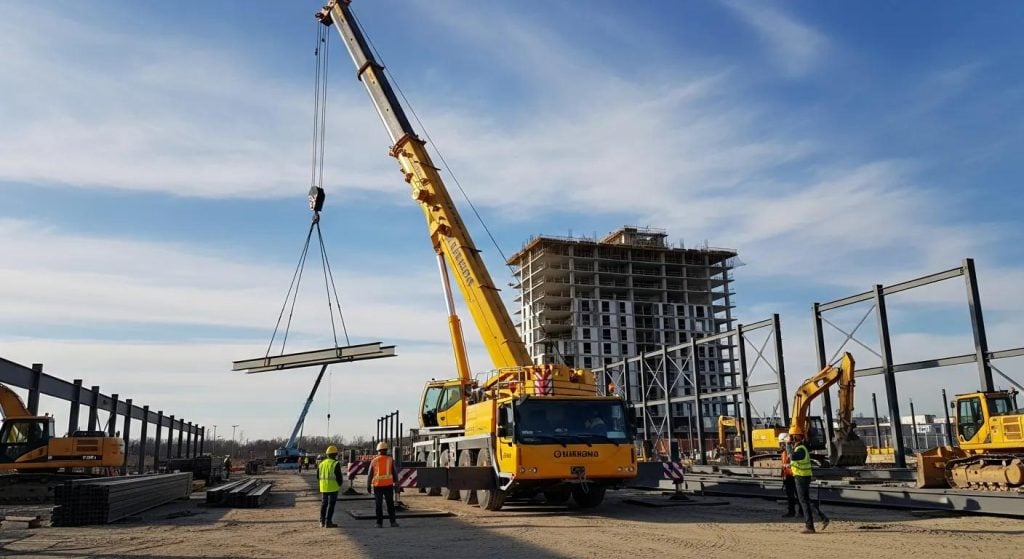
Crane Rental for Construction Projects: Essential Costs, Types, and Safety Tips You Need to Know
Crane rental for construction projects involves hiring mobile lifting equipment, trained operators, and planning services to safely move heavy loads on site. This guide explains the main crane types available for rental, realistic cost expectations for short and medium-duration lifts, and essential safety practices that reduce risk and keep projects on schedule.
Many contractors face unexpected lift delays and opaque pricing; clear lift planning and an understanding of factors like crane capacity, transport, permits, and operator certification solve those pain points and minimize downtime.
You will learn how different mobile cranes, particularly 30-ton boom trucks and larger hydraulic cranes, suit common construction tasks, which cost drivers to expect when budgeting, and a concise safety checklist for pre-lift readiness. The article also covers local availability in Easton, MA, and practical next steps for getting an accurate estimate or booking a lift.
Main Types of Construction Cranes for Rental in Easton, MA
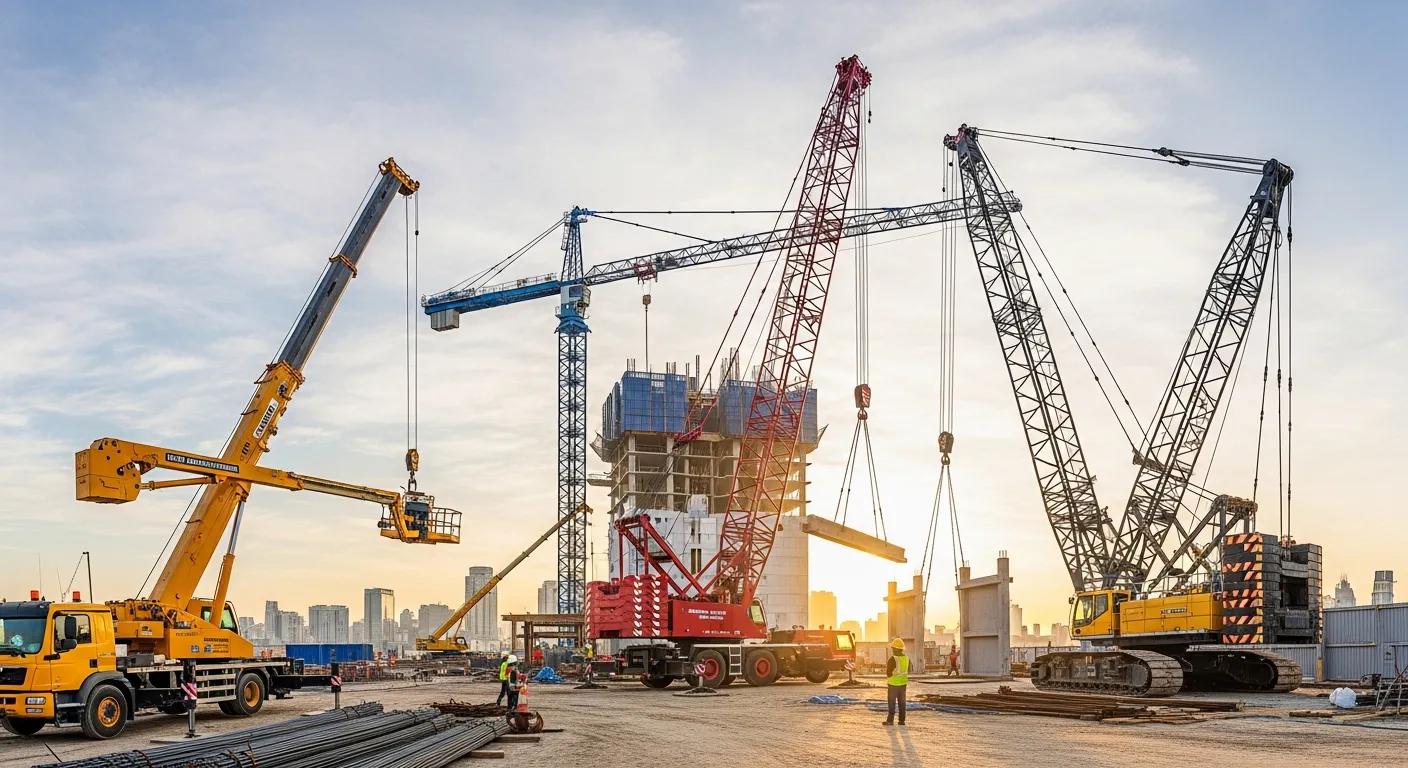
Construction projects commonly rely on mobile cranes that balance lifting capacity with site mobility and setup time. Mobile options include boom trucks, hydraulic truck cranes, all-terrain cranes, and rough-terrain cranes; each type trades reach, transportability, and footprint to match jobsite constraints.
Understanding these types helps you choose a crane that meets load weight, lift radius, and access limitations while limiting transport and permitting complexity. The list below summarizes primary mobile crane categories and when to consider each type for construction work.
Common mobile crane types for construction include:
- Boom Truck (Hydraulic Boom Truck): A truck-mounted crane with an integrated boom for quick setup and roadway mobility.
- Hydraulic Truck Crane (Mobile Crane): Offers greater capacity and reach than boom trucks for heavier lifts.
- All-Terrain Crane: Combines highway speed with off-road capability for varied site access.
- Rough-Terrain Crane: Optimized for single-operator rough sites where mobility over uneven ground matters.
These categories guide the selection process by matching capacity and accessibility needs, which leads us to a direct comparison of typical 30-ton versus 50-ton options for construction tasks.
Different mobile crane models suit distinct job profiles; the table below compares 30-ton and 50-ton cranes to clarify capacity and common uses.
| Crane Model | Characteristic | Typical Job Examples |
|---|---|---|
| 30-Ton Boom Truck | Moderate capacity with compact footprint and fast setup | HVAC rooftop unit installs, small steel placement, spa/hot tub lifts |
| 50-Ton Hydraulic Crane | Higher capacity and longer reach with larger stabilizers | Heavy steel beam setting, multi-story façade work, and large mechanical sets |
| Mobile All-Terrain (50-ton class) | Highway mobility with off-road capability | Site transfers between jobs across Southern New England, mixed terrain lifts |
This comparison shows how the 30-ton class favors rapid, low-permits lifts while the 50-ton class handles heavier assemblies and larger radii, which directly influences rental pricing and lift planning.
How Does a 30-Ton Boom Truck Serve Construction Projects?
A 30-ton boom truck is a truck-mounted hydraulic crane that provides an efficient balance between lifting capacity and maneuverability on urban and suburban construction sites. It works well for HVAC unit placements, light structural assemblies, and material staging where tight footprints and roadway transportability reduce setup time.
Typical specifications include moderate reach and a compact outrigger footprint that requires fewer traffic control measures than larger cranes, which lowers permit complexity. Operators use the boom, hoist, and load block to position loads precisely while minimizing site disruption and mobilization hours.
Because of its mobility and quick rigging, the 30-ton boom truck is often the most cost-effective choice for short, repetitive lifts that would otherwise require expensive rigging or prolonged lane closures.
How Much Does Crane Rental Cost for Construction Projects?
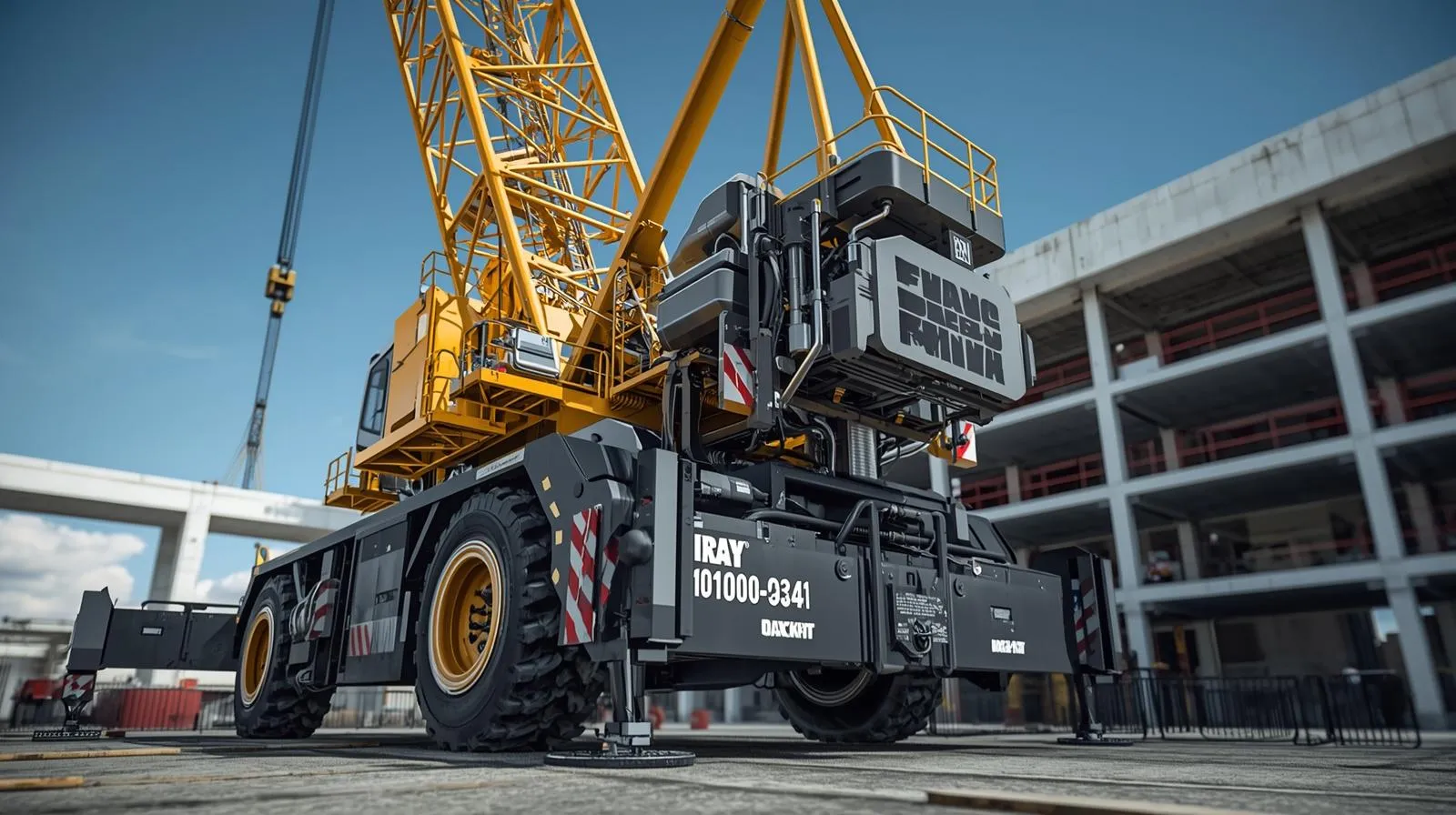
Typical crane rental pricing for construction projects depends on crane class, duration, operator requirements, transport, and site conditions, with short jobs often billed on a multi-hour minimum and larger projects quoted by the day or job.
As a direct guideline, small boom truck rentals commonly fall into the lower hourly range while larger hydraulic cranes command higher hourly and mobilization fees; permit fees, site prep, and specialized rigging add to totals.
The main drivers of cost are listed below to help you form a realistic budget and request precise estimates from providers. After reviewing cost drivers, a simple cost table shows how attributes affect price ranges for planning purposes.
Major pricing factors include:
- Crane Type & Capacity: Larger tonnage and longer booms increase hourly and mobilization rates.
- Rental Duration & Minimums: Minimum billing increments (e.g., a multi-hour block) affect per-lift economics.
- Transport & Mobilization: Travel distance, escorts, and crane setup time add to the total cost.
- Operator & Crew Requirements: Certified operators and additional riggers increase labor line items.
- Permits & Site Prep: Local permitting, traffic control, and ground protection influence overall budget.
Understanding these drivers makes estimates more comparable across providers and prepares you for permit and logistics conversations.
The table below outlines how equipment attributes commonly translate to typical cost impacts in planning conversations.
| Equipment Attribute | Pricing Impact | Typical Effect on Total Cost |
|---|---|---|
| Crane Type (30-ton vs 50-ton) | Hourly/daily rate difference | Higher tonnage increases base hourly rates |
| Operator Required | Labor line item | NCCER-certified operators add predictable hourly costs |
| Transport Distance | Mobilization fee | Longer travel increases the round-trip charge |
| Permitting & Escorts | Administrative & permit costs | Local permits add time and flat fees |
| Setup Complexity | Additional crew/time | Complex setups increase the minimum billed hours |
This breakdown helps project managers forecast budget ranges based on lift complexity before securing formal quotes.
Factors That Influence Crane Rental Pricing
Pricing is a function of equipment, labor, logistics, and regulatory requirements, each scaling with project complexity and site constraints. Type and capacity determine base rates because larger cranes use more resources and require bigger mobilization vehicles; duration and minimum billing blocks set the effective hourly cost for short jobs, making minimums a key consideration.
Logistics such as transport distance, required road escorts, and ground conditions affect mobilization fees and setup time, while permits and local regulations can introduce fixed administrative costs and scheduling lead times. Examples include how a rooftop HVAC set may require a lane closure permit that adds to both time and cost, or how soft ground demands mats and an additional setup crew that raise the total rental price.
Clear planning and early site assessment reduce cost surprises by identifying these factors before lift day.
Essential Construction Crane Safety Tips to Follow in Easton, MA
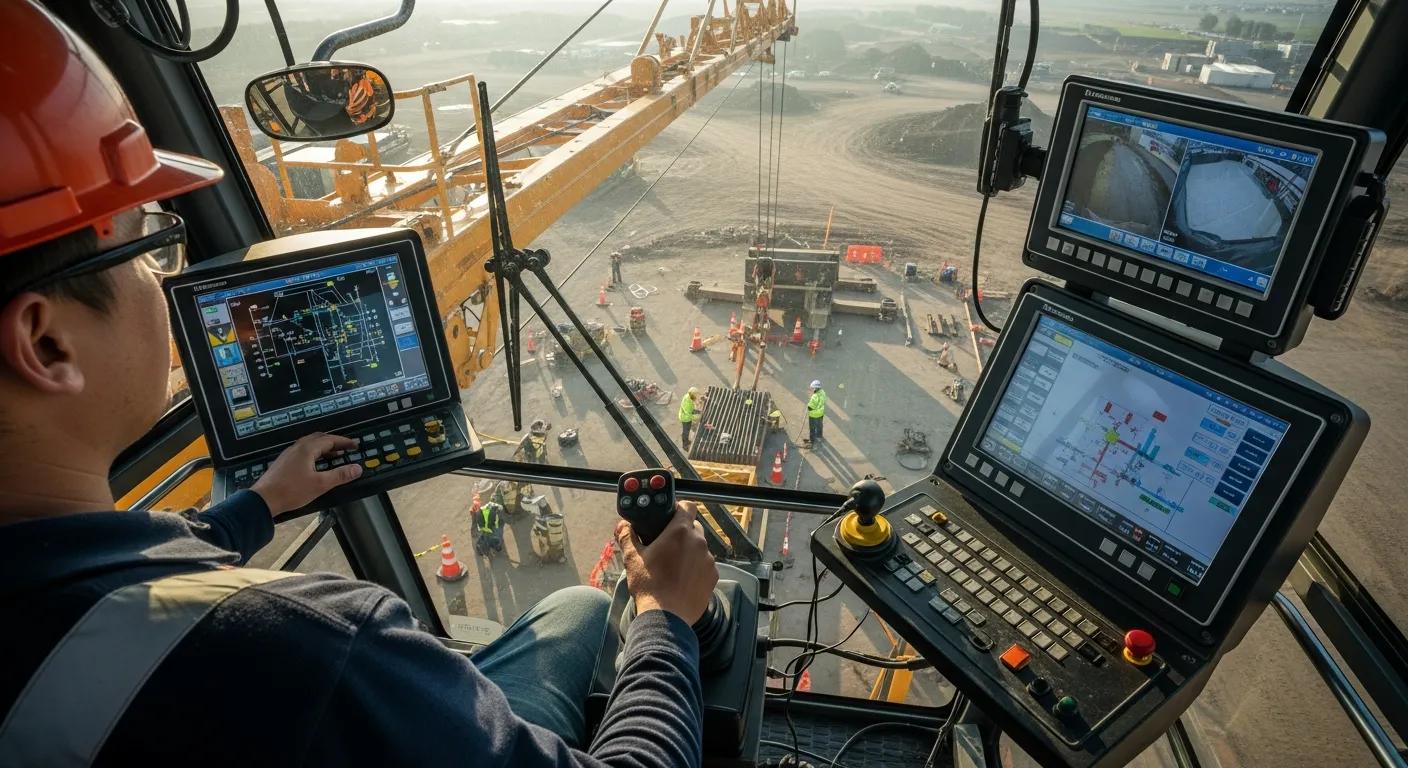
Effective crane safety starts with a documented crane lift plan, certified personnel, and clear exclusion zones to prevent incidents and delays. Pre-lift planning must calculate load weights, confirm rigging gear ratings, and establish communication protocols so every team member understands signals and responsibilities.
The checklist below summarizes high-value safety controls that reduce risk on typical construction jobs and ensure compliance with applicable standards. Following these steps reduces the chance of load drops, equipment overload, or costly site shutdowns caused by oversight.
A concise safety checklist for crane lifts:
- Pre-lift Site Assessment: Verify ground bearing capacity and access routes before mobilization.
- Load Calculation & Rigging Plan: Confirm the lift weight, center of gravity, and proper sling configuration.
- Exclusion Zones and Signage: Establish clear no-entry areas for non-essential personnel during lifts.
- Weather & Environmental Checks: Monitor wind, precipitation, and visibility limits that affect lift safety.
- Operator-Crew Communication: Use standardized signals and radios with redundancy for critical lifts.
Implementing this checklist ensures a structured approach to risk control and prepares the crew for contingencies while maintaining schedule integrity.
Why Are NCCER Certification and OSHA Compliance Critical?
Certified operators possess standardized training that reduces human error during complex lifts; NCCER certification verifies competency in crane operation, rigging basics, and safety protocols that align with OSHA requirements. OSHA standards set minimum controls for equipment inspection, load handling, and operator qualification, which reduce liability and improve on-site efficiency by preventing lift rework and regulatory stoppages.
A certified operator can identify rigging misconfigurations or site hazards early, saving time and avoiding corrective measures that erode project budgets. Emphasizing certification and compliance in vendor selection protects stakeholders and contributes to predictable project timelines.
How Does Proper Crane Lift Planning Enhance Safety?
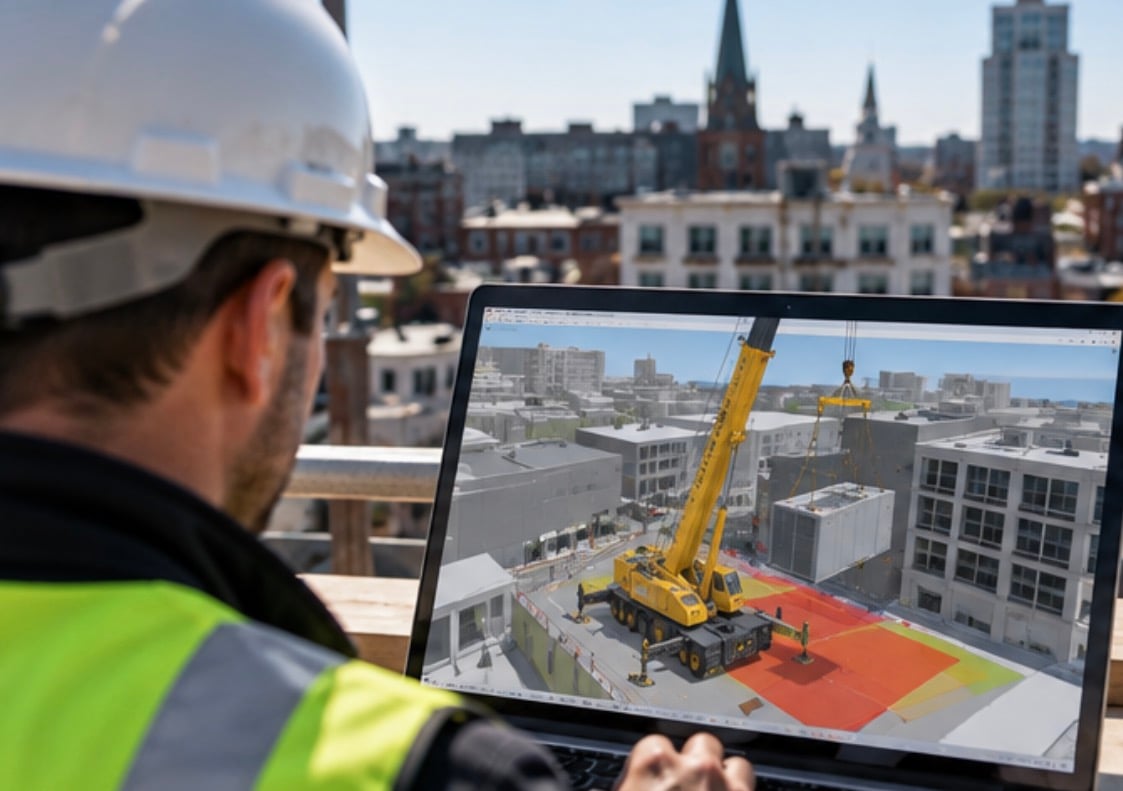
Proper lift planning sequences tasks from weight verification to final placement, integrating rigging selection, ground condition mitigation, exclusion zones, and contingency triggers in a single document.
The planning process begins with calculating gross load and charting crane radius, then selecting slings and rigging hardware rated for the load with appropriate safety factors. Coordination includes confirming permits, traffic control, and communication plans so that each trade knows when and where the lift occurs. A well-documented plan reduces misunderstandings, minimizes idle time, and provides a basis for quick decisions if site conditions change unexpectedly.
After verifying safety protocols, many contractors prefer providers with in-house lift planning and certified operators; MacDonald Crane lists NCCER-certified operators and adherence to OSHA safety standards as part of its service approach, supporting safer, compliant lifts in Southern New England.
Where Can You Rent Mobile Cranes for Construction Projects in Easton, MA?

Local availability matters when timing and transport influence mobilization costs and schedule flexibility; providers serving Easton, MA, and nearby markets can reduce travel time and permit complexity for routine jobs.
Regional operators that cover Boston, Worcester, Springfield, Rhode Island, and Southern New Hampshire offer logistical advantages for multi-site projects and can often provide faster same-day response when schedules shift. When evaluating local rental options, ask about integrated services such as equipment transport, secure outdoor storage, and local permitting assistance to streamline project delivery.
Knowing a provider’s service area and response model helps you align procurement windows with construction milestones to avoid costly crane idle time.
Key considerations when choosing a local rental provider:
- Service Area Coverage: Confirm the provider routinely serves Easton and the surrounding regions for rapid deployment.
- Integrated Logistics: Look for vendors that handle transportation, storage, and lift coordination.
- Rapid Response & Scheduling: Prioritize firms that offer same-day or quick scheduling to keep tight timelines intact.
These selection criteria narrow your options to vendors that can meet both timing and regulatory needs for lifts in Eastern Massachusetts and nearby states, which leads to identifying trusted local providers.
Get Your Project Off the Ground With MacDonald Crane

Crane rental doesn’t have to be complicated or unpredictable. When you understand the types of cranes, cost drivers, and safety requirements, you can plan lifts that stay on schedule, within budget, and fully comply. The right equipment and lift planning reduce downtime and protect both crews and materials.
From quick HVAC placements to heavier structural lifts, choosing a local crane provider with certified operators and lift-planning expertise makes a measurable difference. Clear estimates, proper crane selection, and OSHA-aligned safety practices help eliminate surprises before lift day arrives.
If you’re preparing for a construction project in Easton or anywhere in Southern New England, MacDonald Crane is ready to help. Contact MacDonald Crane today to request a quote, schedule lift planning, or secure dependable crane rental support for your next job.