
Boston Crane Safety: Compliance & Operator Requirements
Crane safety in Boston involves federal, state, and city rules to prevent risks on urban jobsites. This guide covers OSHA standards, Massachusetts 520 CMR 6.00, state licensing, and Boston ISD permits for mobile, tower, and boom-truck operations.
This guide will also explain the hoisting engineer license, best practices for pre-lift planning, and how compliant crane providers meet Boston’s safety expectations. Read on for clear explanations and actionable steps to improve lift safety.
Massachusetts Crane Safety Regulations
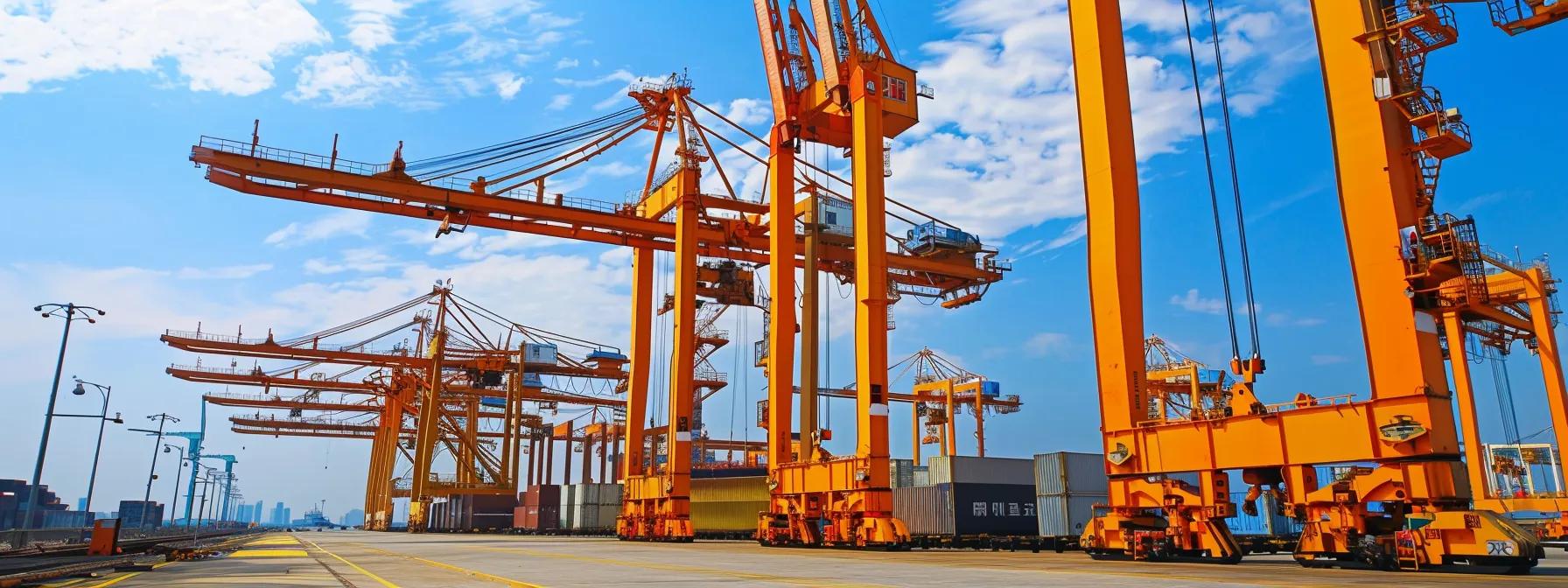
Massachusetts regulates hoisting machinery through 520 CMR 6.00. This code sets equipment, inspection, and operator rules to prevent failures and unsafe lifts. It complements federal OSHA requirements by adding specific inspection frequencies, safety devices, and required jobsite documentation. Understanding 520 CMR 6.00 helps site managers apply these rules to daily inspections and maintenance.
The table below summarizes key state rules and practical actions.
| Requirement Area | 520 CMR / Code Focus | Practical Jobsite Action |
|---|---|---|
| Inspections | Pre-operation, periodic, and annual inspection mandates | Perform and document daily pre-op checklist; schedule certified annual inspection |
| Safety Devices | Boom stops, load-limiting devices, and rated load charts | Verify the functional boom stop and the posted load chart before each lift |
| Modifications & Repairs | Approval and documentation for structural changes | Tag out-of-service equipment and record authorized repairs and tests |
| Recordkeeping | Logs for inspections and operator qualifications | Maintain accessible binders or digital logs for inspectors and supervisors |
Keeping these state requirements visible helps crews comply and prepares them for inspections.
Specific Requirements of 520 CMR 6.00
520 CMR 6.00 requires structured inspections, mandatory safety devices, and clear documentation for hoisting machinery. Operators and employers must perform pre-operational checks, maintain periodic mechanical inspections, and ensure safety components like boom stops and load-limiting devices are functional. Equipment modifications affecting capacity or integrity need approval, documentation, and testing. Contractors should use a visible log system for daily checks, deficiencies, and corrective actions.
How Massachusetts Regulations Complement OSHA Standards
Massachusetts 520 CMR 6.00 adds state-level inspection intervals, device requirements, and administrative duties to federal OSHA 1926 Subpart CC. OSHA sets performance standards, while state code often specifies more prescriptive practices. Employers must follow the stricter of federal or state rules. In Boston, this usually means following 520 CMR inspection schedules and OSHA operator qualification programs. Combining both sets of rules into one system streamlines audits.
OSHA Crane Operator Requirements in Boston
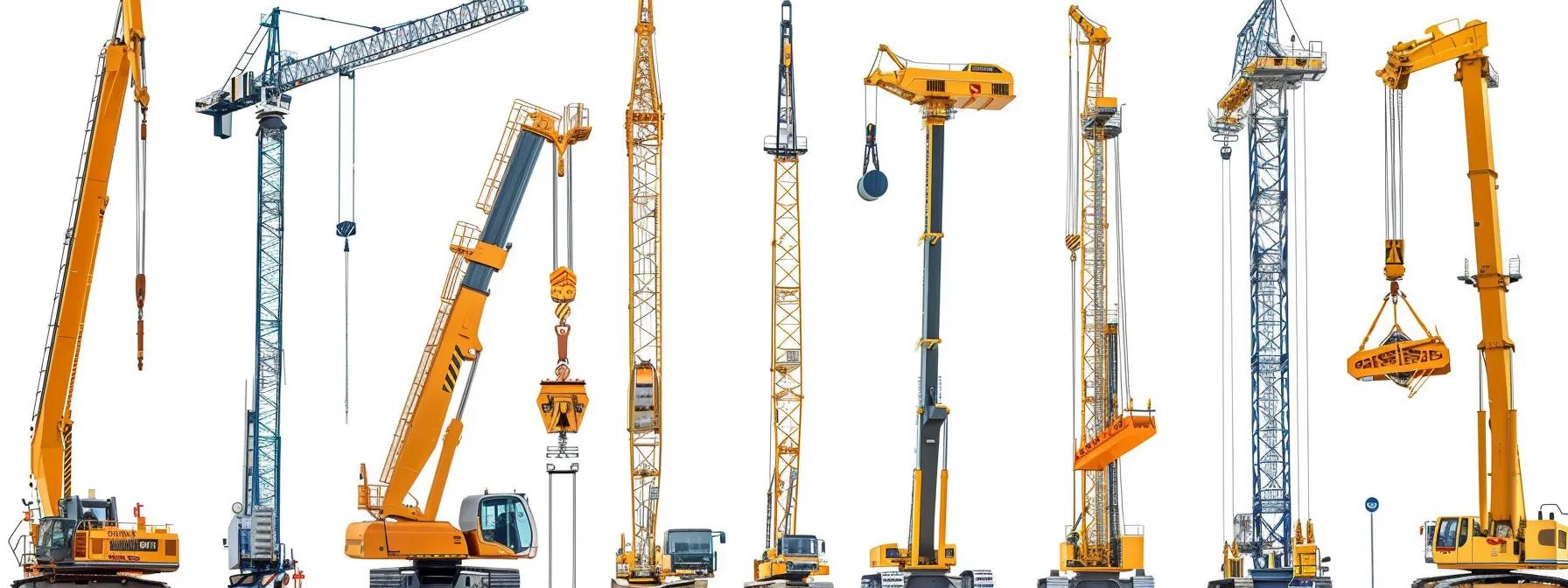
OSHA’s crane operator requirements (1926 Subpart CC) set standards for qualification, certification, and employer responsibility on Boston construction sites. OSHA distinguishes between employer-provided operator qualification and national third-party certification. Employers must ensure operators are competent, conduct inspections, and follow rigging and signaling rules. This reduces human error and supports safe lifts. The table below maps key OSHA citations to daily operator actions.
| OSHA Topic | OSHA Citation | Operator Requirement / Action |
|---|---|---|
| Qualification vs Certification | 1926 Subpart CC | Verify operator competency via training, testing, and certification |
| Pre-use Inspection | 1926.1412 / related | Conduct and document daily pre-use inspections and tag deficiencies |
| Rigging & Signalpersons | 1926.1428 / 1926.1419 | Use qualified riggers and signal persons; follow standardized signals |
| Employer Responsibility | 1926.1427 | Maintain records of training, evaluations, and equipment assignments |
Understanding these duties helps supervisors set daily workflows that meet OSHA requirements.
OSHA 1926 Subpart CC Mandates for Crane Operators
OSHA 1926 Subpart CC requires operators to be qualified, employers to verify and document competency, and operators to perform inspections and rigging tasks. Employers must ensure operator competence through training, evaluation, or certification for the specific equipment and lift. Operators must conduct pre-operation checks, follow load charts, and use safe rigging. Employers must keep training and evaluation records. This means clear operator responsibilities, routine record audits, and consistent use of certified riggers and signal persons.
How OSHA Standards Affect Daily Crane Safety
OSHA standards are put into practice through daily inspection checklists, pre-lift briefings, and strict rigging and signaling procedures. Operators must complete a verified pre-op checklist for brakes, hoist functions, outriggers, and controls. Supervisors must ensure exclusion zones and communication plans are in place. Employers must designate qualified signal persons and riggers and document all pre-lift meetings. These procedures improve awareness and reduce incidents.
Obtaining a Boston Hoisting Engineer License
The Massachusetts hoisting engineer license, administered by the state, requires applicants to meet eligibility requirements, pass exams, and submit documentation to legally operate hoisting machinery. This process ensures operators have the knowledge and skills for safe crane operation under Massachusetts law. Boston projects often require licensed engineers for specific equipment. Here’s how to apply for and secure a license:
- Determine eligibility and experience requirements for the license class.
- Gather proof of work history, employer verification, and identity documents.
- Schedule and pass written and practical examinations.
- Submit the completed application package with fees.
- Maintain records of continuing qualifications and submit renewals on schedule.
These steps help applicants plan study time and employers coordinate staffing.
Steps to Get a Massachusetts Hoisting Engineer License
To get a Massachusetts hoisting engineer license, applicants typically verify eligibility, submit an application with documented experience, complete required exams, and provide any requested supplemental proof. Document recent work history with employer letters, practice hands-on skills for the exam, and account for administrative lead times. Employers can support candidates with supervised practice and study time. Preparing materials in advance minimizes delays.
Renewal and Continuing Education for License Holders
License renewal usually requires a timely application, evidence of continuing competency, and renewal fees. Some licenses may ask for proof of recent experience or refresher training. Even without formal mandates, refresher courses in rigging, signal procedures, and equipment-specific training are recommended.
Employers should track renewal dates and keep copies of documents to ensure continuous compliance. Regular training keeps license holders current with evolving standards.
Permits for Commercial Crane Operations in Boston

Commercial crane work in Boston typically requires several local permits for safety, public way use, and logistics. Common permits include crane permits from Boston’s Inspectional Services Department (ISD), Public Works (DPW) street occupancy permits, and traffic control or police detail permits. Each permit has specific documentation (site plans, lift plans, insurance) and lead times. The table below lists typical permits, agencies, and requirements to help project teams sequence submissions.
| Permit | Issuing Agency | When Required / Key Documents |
|---|---|---|
| Crane Permit | Boston Inspectional Services Department (ISD) | Required for cranes operating within city limits; submit lift plan and manufacturer charts |
| Street Occupancy / DPW Permit | Public Works / DPW | Required when blocking sidewalks/streets; include traffic control plan |
| Traffic Control / Police Detail | City Police / Traffic | Required for lifts that restrict lanes or require traffic management |
| Excavation / Utility | Public Works / Utilities | Required if lifting needs street openings or affects buried utilities |
Understanding which permits apply reduces rework and clarifies coordination. Experienced providers can assist with permit preparation.
Applying for Crane Permits Through Boston’s ISD
Applying for crane permits through Boston ISD requires a completed application, a detailed lift plan (showing radius and load charts), proof of insurance, operator qualifications, and any additional city requests. Applicants should include a site plan with barriers, exclusion zones, and pedestrian protections, allowing ample lead time for reviews.
Common mistakes include incomplete lift diagrams and missing operator documents, causing delays. Engaging experienced lift planners early reduces re-submission risks.
Other Local Permits Affecting Crane Operations
Other local permits include Public Works street-occupancy permits, traffic management authorizations, police detail approvals for lane closures, and any utility or excavation permits. Each involves different agencies and lead times. Sequencing, like securing street-occupancy before a lane-restricting lift, is crucial. Coordination meetings with municipal contacts and early submission of traffic control plans prevent work stoppages and ensure public safety.
Best Practices for Crane Safety Training & Compliance in Massachusetts

Effective crane safety in Massachusetts combines accredited certifications, employer competency verification, rigorous pre-lift planning, and routine inspection programs. Employers should require national certifications, implement documented SOPs for rigging and signaling, and audit inspection records and operator qualifications.
Training should be practical, equipment-specific, and refreshed regularly. Supervisors must enforce recordkeeping for audit trails. Key elements for a robust compliance system:
- Operator Certification & Evaluation: Ensure operators hold national certifications and documented employer evaluations.
- Qualified Riggers & Signal Persons: Use trained rigging staff and signal persons for complex lifts.
- Pre-Lift Planning & Toolbox Talks: Conduct documented briefings on hazards, load paths, and emergency procedures.
- Inspection & Maintenance Programs: Maintain daily, periodic, and annual inspection routines with recorded corrective actions.
These elements strengthen on-site controls and meet both OSHA and Massachusetts code obligations.
Essential Certifications for Crane Operators in Boston
Essential certifications for Boston crane operations include national credentials (like NCCCO), employer competency evaluations, and state hoisting licenses. These verify operator knowledge of load charts, rigging, and safe operation, while the state license confirms eligibility under Massachusetts law. Employers should verify certificate authenticity, track expiration dates, and keep copies for inspectors. Cross-checking certifications against assigned equipment reduces mismatches.
Implementing Effective Pre-Lift Planning and Daily Safety Inspections
Effective pre-lift planning starts with a documented lift plan, hazard assessment, assigned roles, and a written communication protocol (including signal person assignments and exclusion zones). Daily inspection checklists must cover mechanical components, controls, hoist lines, outriggers, and load chart verification; each item should be initialed and logged.
Pre-lift meetings clarify load weights, pick points, and contingencies. Consistent use of these procedures meets regulations and improves team coordination.
Choose MacDonald Crane for Safe, Compliant Lifting in Boston

MacDonald Crane’s commitment to certified operators, detailed lift planning, and strict adherence to OSHA and 520 CMR 6.00 ensures every project meets the highest safety and compliance standards. Their structured approach reduces delays, improves permitting outcomes, and delivers predictable, professional results.
By pairing rigorous credential checks with documented lift plans, engineering reviews, and thorough equipment inspections, MacDonald Crane minimizes risk on every job. Their coordination with Boston ISD and Public Works ensures smooth approvals and safe operations in tight city environments.
Whether handling HVAC lifts, steel work, or complex urban hoisting, MacDonald Crane provides the expertise and reliability Boston projects demand. Contact MacDonald Crane today for compliant, safe, and efficient crane services across the city.