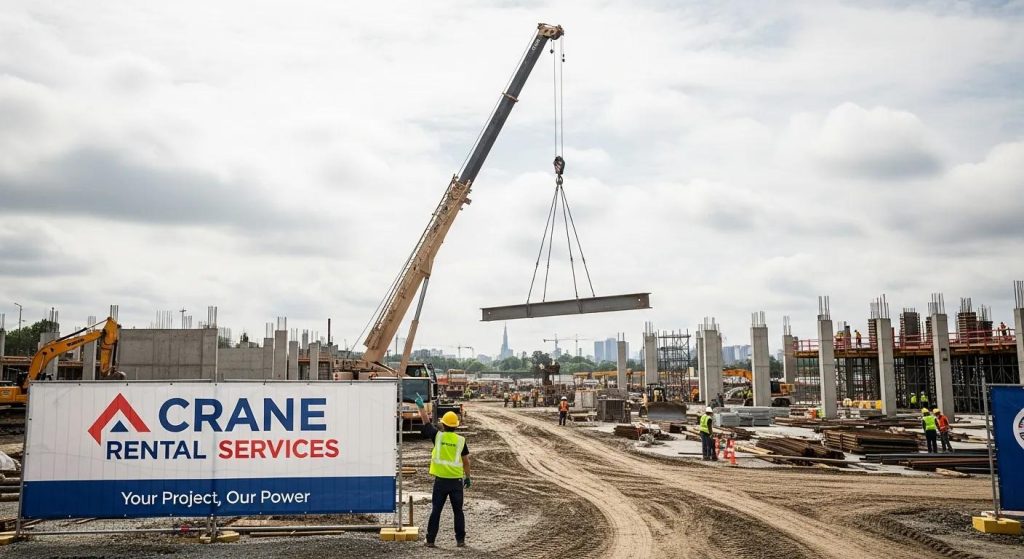
Heavy Equipment Crane Rentals: What You Need to Know for Safe and Efficient Lifting
Heavy equipment crane rentals in Easton provide the on-demand lifting capacity that construction and installation projects need, allowing contractors and property owners to move heavy loads safely and efficiently.
This guide explains what types of cranes are commonly available for rent, how the rental and lift-planning process works from initial estimate through post-lift follow-up, the safety standards and certifications you should require, and practical criteria for choosing a local provider in Massachusetts. Readers will learn how to match a crane to common tasks, such as rooftop HVAC installs, hot tub lifts, and structural beam placement.
How site assessment and load charts determine feasibility, and what on-site precautions minimize risk. The article covers step-by-step lift planning, essential pre-lift checks, and the certifications that reduce project delays and insurance friction, with regional context for Easton and Southern New England.
Types of Heavy Equipment Cranes That Are Available for Rent in Easton, MA
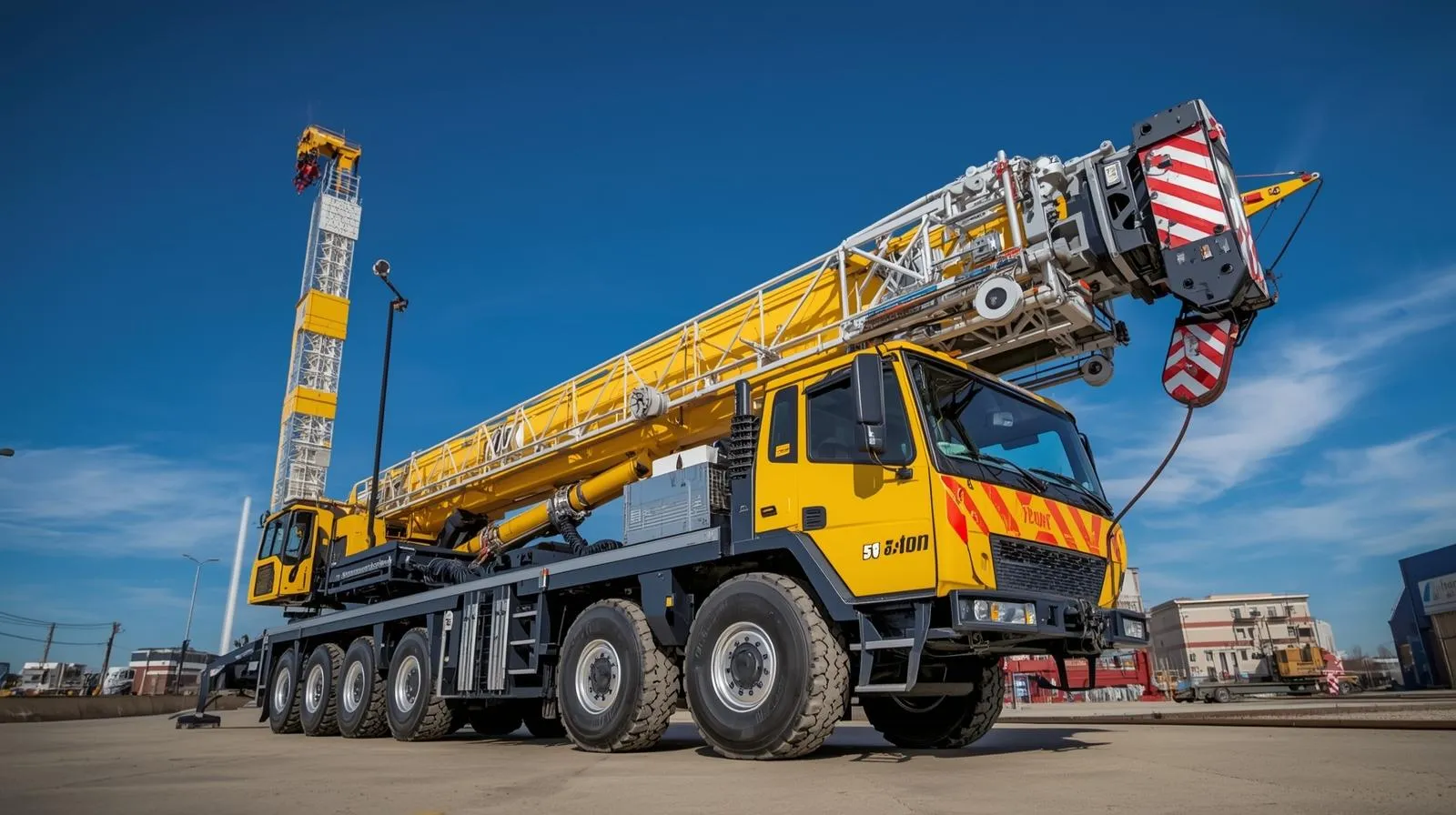
Crane rentals cover a range of machine types designed for different capacities, reach, and site conditions: boom trucks for maneuverability, mobile cranes for larger capacity, rough-terrain cranes for off-road access, and all-terrain cranes for long reach and highway travel.
Each crane type works by combining boom length, counterweight, and outrigger support to control lift radius and capacity; understanding these mechanics helps match equipment to load weight and site footprint. Choosing the right crane reduces lift time and improves safety by keeping the load within the crane’s rated envelope.
Below is a concise comparison to clarify capacity, reach, and ideal use cases for a 30-ton boom truck versus a 50-ton crane.
| Crane Type | Characteristic | Typical Detail |
|---|---|---|
| 30-ton boom truck | Capacity & mobility | Nominal capacity around 30 tons with hydraulic boom; excels in tight urban and suburban sites |
| 50-ton mobile crane | Heavy capacity & reach | Higher nominal capacity and extended reach with counterweight; suited to large commercial lifts |
| Transport & footprint | Logistics | Boom trucks often drive on highways without an escort; larger cranes may require permits and wider staging |
This comparison highlights the trade-offs between maneuverability and raw capacity when planning lifts for HVAC units, spas, or structural elements. The next subsections detail specifications and use cases for each crane type and practical constraints related to transport and site setup.
What Are the Specifications and Uses of a 30-Ton Boom Truck?
A 30-ton boom truck rental typically offers a telescoping hydraulic boom mounted on a highway-capable chassis, providing high mobility and fast setup. The crane’s nominal capacity is about 30 tons at close radius, but capacity decreases as boom length and radius increase; operators reference the load chart to determine safe lift limits.
Common applications include rooftop HVAC installations, hot tub placements, service lifts for exterior units, and moderate steel placement where site access is constrained. Setup requires adequate outriggers, cribbing under soft ground, and a level staging area; tight streets and curbside work are usual considerations for suburban and urban projects.
How Does a 50-Ton Crane Support Heavy-Duty Projects?
A 50-ton crane rental delivers greater lifting power, increased stability with larger counterweights, and often superior boom or lattice extensions for longer reach compared with a boom truck. This class is chosen for heavy commercial tasks such as large chiller installs, multi-ton steel beam placement, and industrial equipment lifts that exceed a boom truck’s load chart at necessary radii.
Logistics for a 50-ton crane typically include route planning, possible transport permits, and a larger setup footprint for outriggers and counterweight staging. When weight and reach requirements exceed the 30-ton envelope, the 50-ton crane reduces risk by keeping lifts within safer load-chart margins.
How Does the Crane Rental Process Work from Start to Finish?

The crane rental process begins with an inquiry and estimate and proceeds through detailed lift planning, permitting, delivery and setup, execution of the lift with certified operators and riggers, and post-lift follow-up, including inspections and equipment removal.
Each step defines responsibilities and timing so projects stay on schedule while meeting safety requirements. A clear, documented process reduces surprises and prevents costly delays from permit issues, ground-bearing problems, or incorrect equipment selection.
Below is a concise, ordered step list designed to match common featured-snippet search intent for “crane rental process.”
- Request an estimate with project details: load weight, lift location, and access photos.
- Perform site assessment and lift plan: evaluate ground, utilities, and crane placement.
- Secure permits and utility locates: coordinate with local authorities and stakeholders.
- Schedule transport and delivery: plan routes, staging, and any escort needs.
- Execute lift with certified operator and rigger: use load charts and established signals.
- Post-lift inspection and demobilization: confirm equipment condition and site restoration.
This ordered approach clarifies the minimal information needed up front and shows why early site photos and load data speed accurate quotes.
| Process Phase | Typical Timeframe | Who Provides / Customer Role |
|---|---|---|
| Request Estimate | Same day to 48 hours | Renter provides load weight and site photos; provider prepares quote |
| Site Assessment & Lift Plan | 1–3 days | Provider conducts assessment; customer coordinates access and permits |
| Delivery & Lift Execution | Day of scheduled lift | Provider delivers equipment and a certified operator; the customer supervises site access |
Steps Involved in Crane Lift Planning and Site Assessment
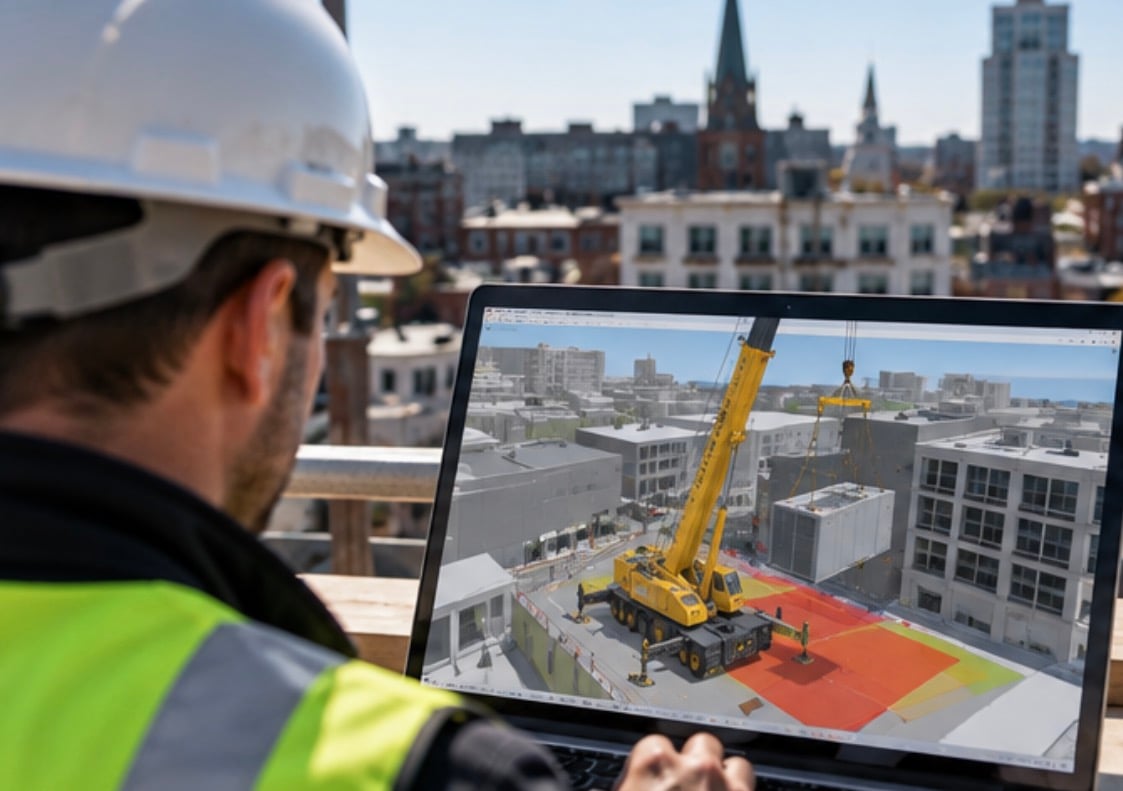
Crane Lift planning in Easton starts by identifying the load weight, dimensions, and center of gravity, then using the crane’s load chart to determine safe radius and required rigging gear. Site assessment examines ground bearing capacity, overhead hazards, nearby structures, and traffic control needs; these factors determine cribbing, outrigger placement, and exclusion zones.
Permitting and utility locates are often handled early to avoid work stoppages, especially in municipalities across Massachusetts where requirements vary. Coordinating with other trades, such as roofers or HVAC techs, ensures lifts occur in proper sequence and minimizes rework.
Your Equipment: Delivered, Stored, and Operated Safely
Delivery planning addresses access routes, staging zones, and local restrictions so cranes arrive without damaging surfaces or causing unexpected closures. Secure outdoor storage of gear and cribbing is an available option when projects span multiple days, preventing lost time from waiting on materials.
Setup emphasizes proper outrigger deployment, level checks, and operator walks of the planned swing area; these procedures protect personnel and structures. During operation, certified operators and riggers maintain communication protocols, monitor weather, and adhere to load-chart limits to complete lifts reliably.
Safety Standards and Certifications Ensure Reliable Crane Rentals
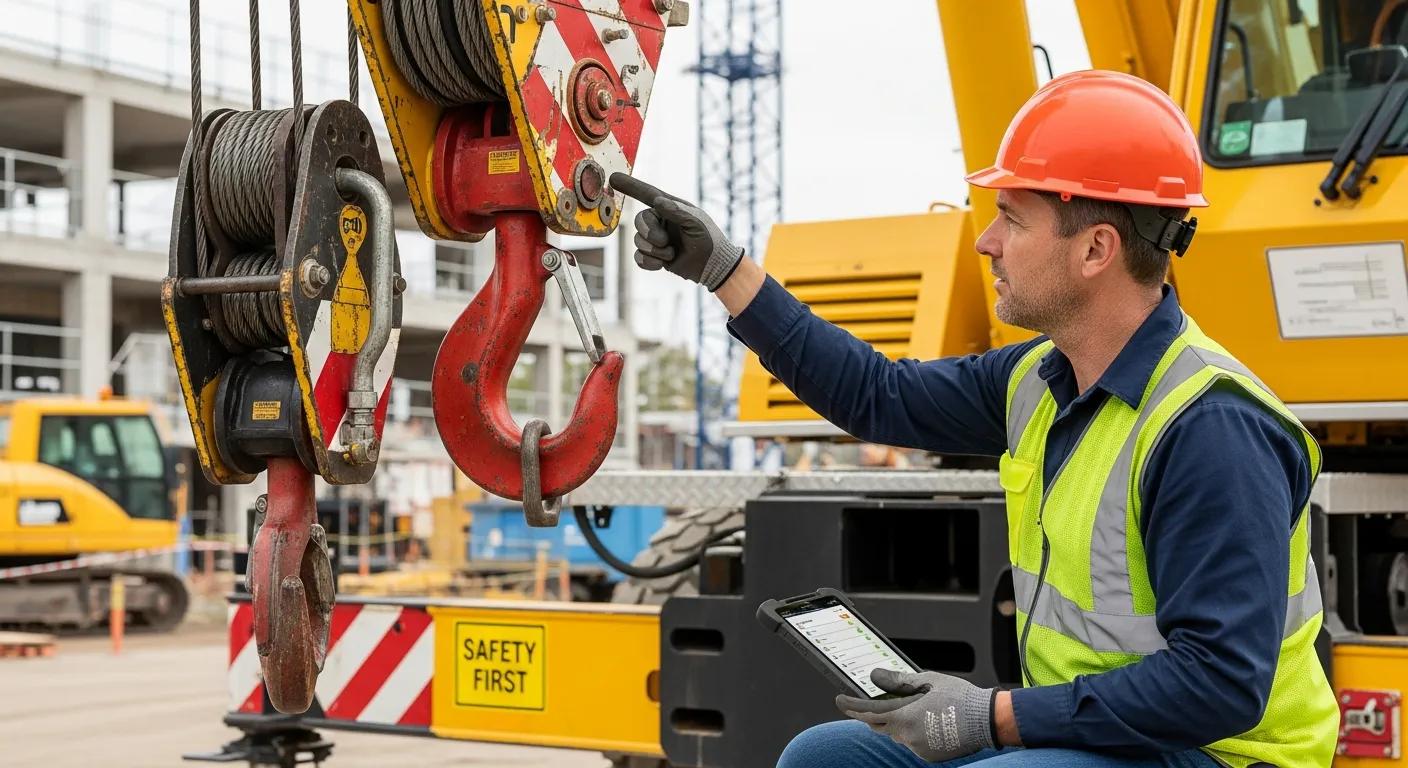
Reliable crane rentals depend on a combination of regulatory compliance, documented operator competence, and routine equipment inspection to reduce accident risk and support permit approvals. OSHA standards set minimum safety practices for crane operation and site management, while industry certifications like NCCER verify operator training and competency in rigging and crane controls.
Requiring these standards improves on-site safety, helps with insurance requirements, and reduces the chance of costly delays or incidents. The following table maps common certifications and what they cover to help clients verify provider qualifications.
| Credential | Covers | Why It Matters |
|---|---|---|
| OSHA Compliance | Site safety rules and inspections | Ensures legal minimums and consistent on-site practices |
| NCCER Certification | Operator training and competency | Verifies formal training and skill in crane operation |
| Regular Equipment Inspections | Maintenance logs and safety checks | Confirms gear integrity and reduces mechanical failure risk |
The table illustrates how layered compliance and certification work together to protect projects and personnel during lifts.
Why Are OSHA Compliance and NCCER Certification Important?
OSHA compliance enforces site-level safety protocols such as exclusion zones, signaling requirements, and inspection schedules that prevent common incidents like overloads and contact with power lines.
NCCER certification confirms operators have standardized training in rigging, load handling, and safety communications, which matters when complex lifts require precise coordination. For clients, these credentials mean fewer permit hurdles, clearer liability lines, and greater confidence that the team will follow recognized procedures.
Together, they reduce risk, improve regulatory acceptance, and support a smooth lift execution.
What Safety Precautions Are Taken During Crane Operations?
On-site precautions begin with a documented pre-lift checklist covering load verification, ground conditions, rigging inspections, and weather assessment to determine go/no-go status. Exclusion zones, barricades, and a designated signal person maintain clear lines of communication and protect bystanders and nearby workers.
Contingency plans for high winds, ground instability, or unexpected obstructions are agreed in advance to avoid improvisation during critical moments. Post-lift procedures include equipment checks and site restoration to ensure no latent hazards remain after demobilization.
Choosing the Right Crane Rental Service in Massachusetts?
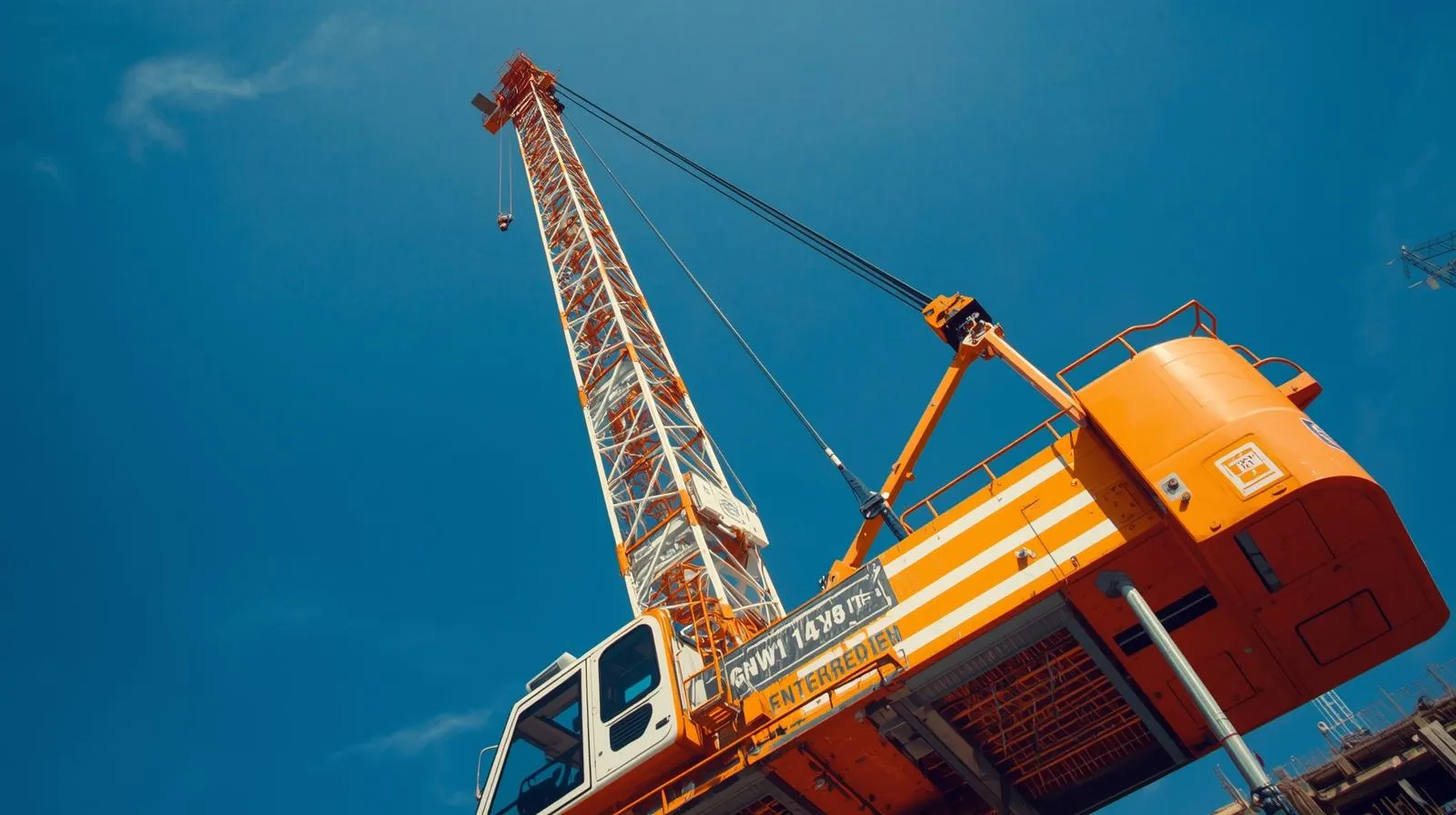
Choosing a reliable crane rental provider requires evaluating equipment match, safety certifications, local permitting knowledge, transparent pricing, and responsiveness for tight schedules or same-day needs. Local expertise matters because municipal permit rules, seasonal weather, and regional transport constraints affect lift timing and setup. Reviewing published equipment specs, operator certifications, and references helps confirm capabilities and fit for your project. The checklist below summarizes five decisive criteria to use when comparing providers for crane rental in Easton and surrounding New England areas.
- Equipment Match: Confirm the crane’s load chart fits your task at the required radius.
- Safety Credentials: Require OSHA-aligned practices and NCCER-certified operators.
- Local Permitting Knowledge: Verify experience with municipal permit processes in Massachusetts.
- Transparent Pricing: Ask what is included—operator, rigging, travel, permits, and storage.
- Responsiveness: Check availability for short-notice or same-day service when timelines are tight.
These selection points prioritize safety and practicality while minimizing hidden costs and scheduling risk; the next subsections outline how local providers demonstrate those capabilities and how transparent pricing typically works.
What Local Expertise Does MacDonald Crane Offer in Easton and New England?
MacDonald Crane operates from South Easton, Massachusetts, and serves Southern New England with equipment, operators, and regional permitting experience that helps clients navigate local requirements.
Their fleet includes 30-ton boom trucks and larger capacity cranes suitable for HVAC rooftop lifts, hot tub placements, and medium commercial beam placements, backed by operator training and on-site coordination. Local knowledge of weather patterns and municipal permit nuances allows better scheduling around seasonal constraints and inspection windows.
For Easton-area projects, this regional familiarity accelerates approvals and reduces the chance of unexpected delays.
How Is Transparent Pricing and Same-Day Service Provided?
Transparent pricing explains included elements such as the crane and operator, basic rigging, transport, and standard setup, while listing common add-ons like permits, escorts, or extended staging as separate line items.
Same-day service relies on available local crews, highway-capable boom trucks, and rapid lift planning when the site conditions and permits allow immediate mobilization. Clients should request a written estimate that clarifies hourly rates, minimums, travel charges, and what documentation the provider will supply for permits.
Clear upfront quotes and prompt scheduling reduce surprises and help projects stay on budget and on time.
Ready to Plan a Safe, Successful Lift? Call MacDonald Crane Today

Heavy equipment crane rentals play a critical role in keeping construction, installation, and infrastructure projects safe, efficient, and on schedule. From choosing the right crane to executing a compliant lift plan, the details matter, especially when working with heavy loads and tight site conditions.
By understanding crane types, lift planning, safety standards, and provider qualifications, you reduce risk, avoid delays, and protect both people and property. Working with a knowledgeable local provider ensures smoother permitting, better coordination, and safer outcomes from start to finish.
If you’re planning a lift in Easton or anywhere in Southern New England, MacDonald Crane offers the equipment, certified operators, and regional expertise you can trust. Contact MacDonald Crane today to request a quote and get your project moving safely and efficiently.