
Top Boston Crane Operators for Hire Today: Your Easy Guide to Crane Rental and Heavy Lifting in Boston
Hiring a crane operator in Boston means finding the right heavy lifting power that can also handle tight city spaces, local rules, and certified workers to keep everyone and everything safe. This guide will explain what “crane operators for hire” means in Boston. You’ll learn why the crane’s power, worker certifications, and good planning are key to safety and cost. Homeowners and project managers can use this guide to confidently plan things like HVAC rooftop lifts, deliveries, and steel work.
You’ll discover which types of cranes are best for common jobs in Boston, how costs are figured out, which certifications to check, and how neighborhood rules affect your choices. This article breaks these topics into easy-to-understand parts: available rental services and crane types, how to hire and check certifications, pricing and example rates, important crane services (with a focus on HVAC lifts), safety rules, and how logistics work in Boston.
How To Know Which Crane Rental Service Is The Best For You in Boston?
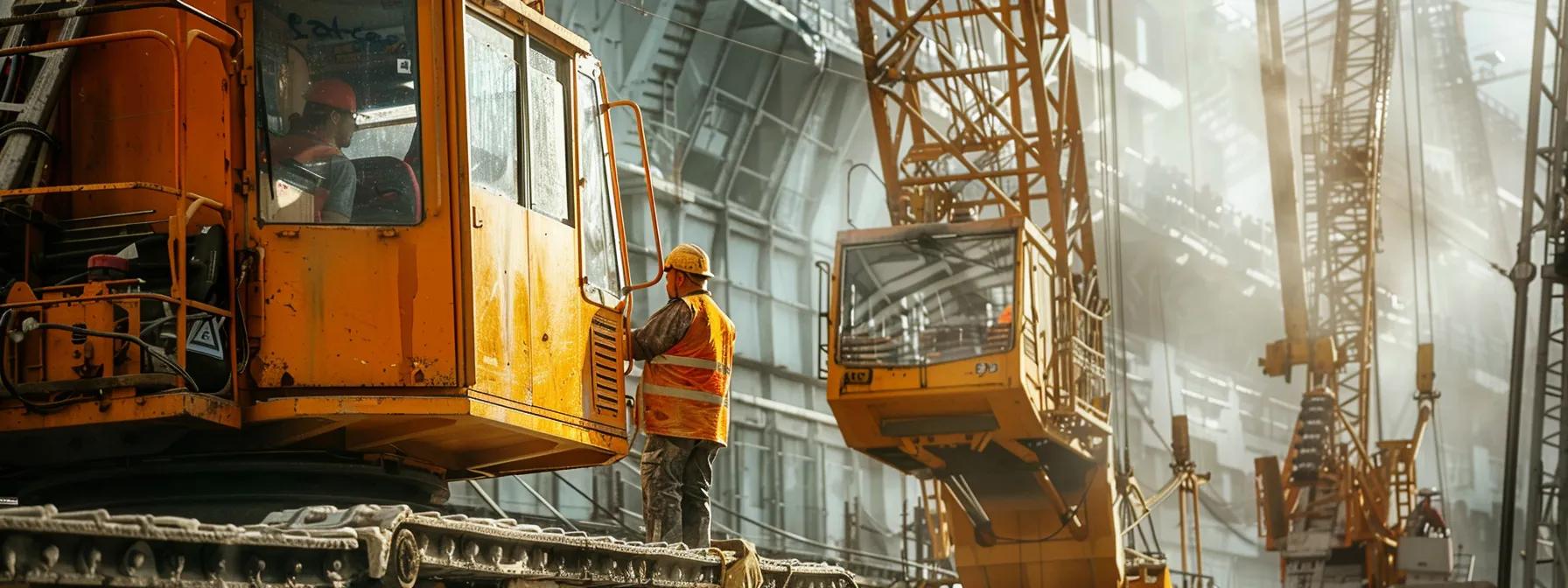
The best Boston crane rental services offer modern cranes, skilled crews, clear prices, and quick help for city lifts. To pick a provider, you need to compare crane types, how much they can lift, and if they can work on narrow streets and rooftops. Boston projects often need small setups and careful traffic control.
When choosing a company, always look for proof of operator training, insurance, and a local history of doing similar lifts. These things lower risks and make getting permits easier. Knowing about different crane types will help you choose between mobile cranes and boom trucks for your specific job.
Types of Cranes You Can Rent in Boston
In Boston, you can usually rent boom trucks, mobile all-terrain cranes, rough-terrain cranes, and small or mini cranes that fit into tight spots. Each crane type has a different lifting power, size, and transport needs. It’s very important to match the crane’s lifting power (in tons) to the weight of your load and how far it needs to reach for safety and efficiency.
Choosing the right crane for your project saves time and money on setup. Understanding crane charts helps you plan realistic lifts and talk about permits.
Difference Between Mobile Crane and Boom Truck Rentals in Boston
Mobile cranes and boom trucks are different mainly in how long they take to set up, how easily they move, and how much space they need in the city. Mobile all-terrain cranes can lift more and have longer arms, but they need support legs (outriggers) and more space to set up. Boom trucks combine a crane with a truck, making them faster for smaller jobs and taking up less street space.
This difference affects permits and traffic control in busy Boston neighborhoods, where shorter setup times and street closures cost more. For HVAC rooftop lifts, boom trucks can often do quick, single-unit installs. For putting up steel or very heavy rooftop units, a mobile crane might be needed for its reach and lifting power.
How to Hire Certified Crane Operators in Boston for Your Project?

Hiring certified crane operators in Boston means checking their qualifications, insurance, and experience with city lifts. Certified operators lower your risk and make getting permits easier. The main steps to check are simple: ask for their operator licenses, proof of insurance and safety plans, and recent job references similar to yours.
This section gives you a step-by-step checklist, a table of what credentials to ask for, and questions to ask potential operators. This way, homeowners can confirm they follow NCCER, NCCCO, and OSHA rules before booking a lift. Following these hiring steps speeds up approval times and creates a shared safety understanding among the operator, rigging crew, and your contractors.
What Certifications Should Boston Crane Operators Have?
You should expect key certifications like NCCCO (National Commission for the Certification of Crane Operators) or similar operator licenses, company training records, and proof of equipment inspections by a third party, plus insurance.
These certifications show that operators are skilled in crane controls, signaling, and safe operations, which directly lowers risks for rooftop HVAC lifts and moving materials. Homeowners should ask for certificate IDs, recent training dates, and inspection logs to make sure everything is current, not expired. Checking certifications and inspection records makes permitting smoother and reduces job delays caused by last-minute paperwork requests.
| Credential | Who Provides It / What’s Needed | Why It’s Important |
|---|---|---|
| Operator Certification | NCCCO or similar test (written and practical) | Shows they can safely operate crane controls |
| Employer Training Records | Company safety training and daily safety talks | Proves ongoing skill and readiness for site-specific safety |
| Equipment Inspection Log | Daily/weekly records and yearly third-party check | Confirms the machine is in good working order and reduces breakdown risk |
This table makes it clear which documents to ask for and why each one lowers project risk, helping homeowners prepare a good verification packet for crane companies.
Why Choose NCCER and OSHA Compliant Operators in Boston?
Choosing NCCER or OSHA-compliant operators means crews follow recognized rules for rigging, signaling, and site controls. This protects property and helps meet insurance and city permit needs. Following these rules lowers the chance of accidents during lifts that involve public streets, power lines, and rooftop work. For homeowners, this means fewer paperwork problems and smoother teamwork between crane crews and other workers like HVAC technicians or roofers.
So, choosing compliant crews speeds up approval and makes complex lifts more predictable, which leads to how pricing often includes these compliance costs.
What Are the Typical Costs and Pricing Structures for Crane Rental in Boston?

Crane rental prices in Boston depend on the crane type, how long you need it, operator and rigging crew fees, transport, permits, and traffic control. These parts make up the hourly or daily rates and any extra charges. Clear quotes should show daily or hourly crane rates, costs for setting up and packing up, operator and crew labor, permit fees, and any traffic control or hoisting engineer charges. Below is a helpful pricing table with example ranges for common crane types and typical extra fees to help homeowners compare quotes and avoid hidden costs.
Understanding what makes up the rates helps owners compare offers and adjust timing or how lifts are done to lower the total bill.
How Are Crane Rental Rates Calculated in Boston?
Crane rental rates are figured out from the basic equipment rental (hourly or daily), operator labor, travel and transport, rigging crew hours, and permit or traffic control costs. For example, for an HVAC rooftop lift: a boom truck’s daily rate plus the operator, a two-person rigging crew, and a permit can be combined into one project quote.
Breaking this down helps you find ways to save money, like reducing crew hours or doing multiple lifts at once. Rates might also include extra charges for overtime, minimum travel fees, and extra costs for weekend or after-hours work. Breaking rates into parts lets homeowners discuss staging and timing to lower the total cost while keeping safety high.
| Crane Type | Common Rental Time / Extra Fees | Example Price Range |
|---|---|---|
| Boom Truck | 8–10 hour day; operator included; possible travel fees | $800–$1,800 per day |
| Mobile All-Terrain Crane | Daily rate, setup/pack-up fees, operator | $1,500–$4,000 per day |
| Mini/Compact Crane | Half-day or daily; smaller rigging crew | $600–$1,200 per day |
| Rigging Crew (extra) | Per-person hourly or flat project fee | $50–$150 per hour per rigger |
This pricing table gives homeowners a basic idea of costs and shows that site access, permits, and timing greatly affect the final price.
What Factors Affect Crane Rental Pricing in Boston?
Several local things drive Boston prices: street closures and traffic control rules, limited space in tight neighborhoods, permit times, seasonal demand, and how complex the lift is (weight, reach, and precision). A narrow alley needing a small crane or extra rigging to protect old buildings will cost more than lifts in open lots.
Planning lifts during less busy hours and doing several rooftop unit installs in one go are common ways to save money. Knowing these factors helps homeowners plan lifts smartly and ask vendors for proposals that show different stages to keep total fees low.
Key things that affect pricing:
- Site access and space limits that make setup take longer.
- Permit and traffic control rules from local city offices.
- How complex the project is, including lift weight, distance, and the need for special rigging.
This list helps homeowners know what they can control when asking for a good, accurate price.
Crane Services That Are Essential for Commercial and Residential Projects in Boston
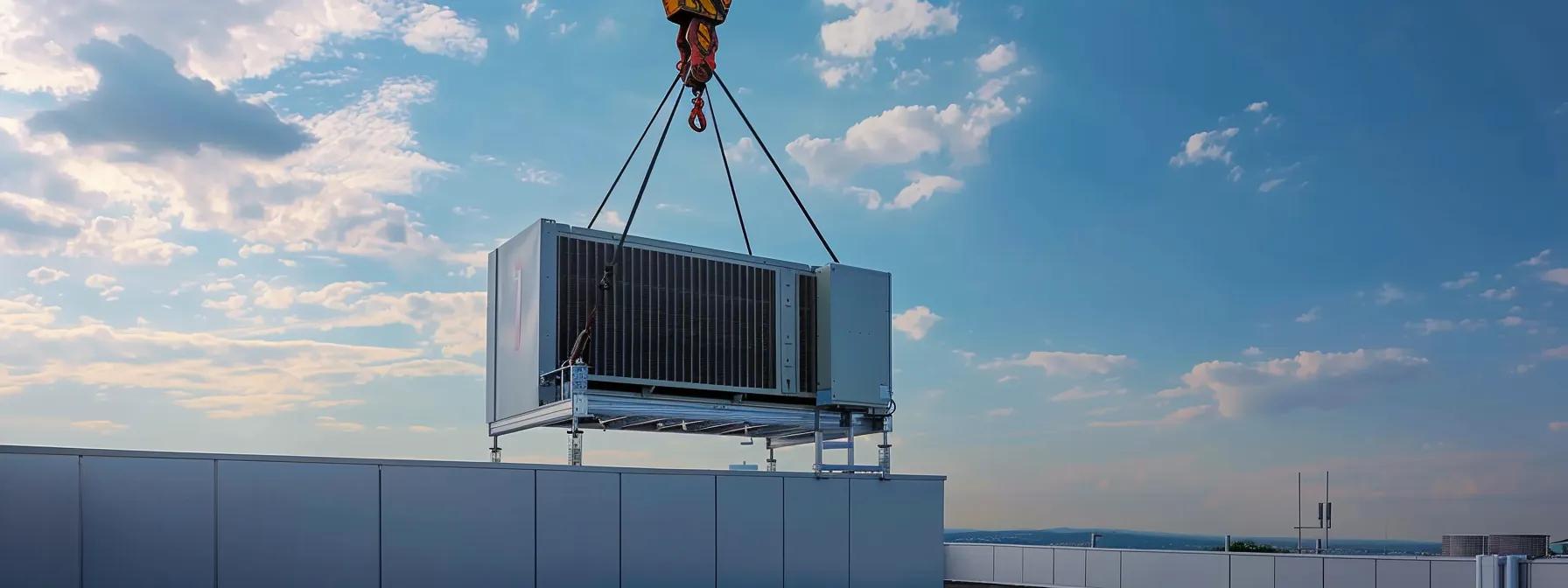
Important crane services for Boston projects include placing HVAC rooftop units, hoisting roofing materials, putting up steel, special rigging for narrow city sites, and installing equipment that needs exact placement.
Each service requires careful lift planning, signaling, and site protection to avoid damaging historic buildings and comply with city rules. The service descriptions below focus on HVAC lifts and larger steel work, explaining how operators plan lifts, work with other trades, and set up equipment.
How Are Cranes Used for HVAC Installation and Rooftop Unit Placement in Boston?
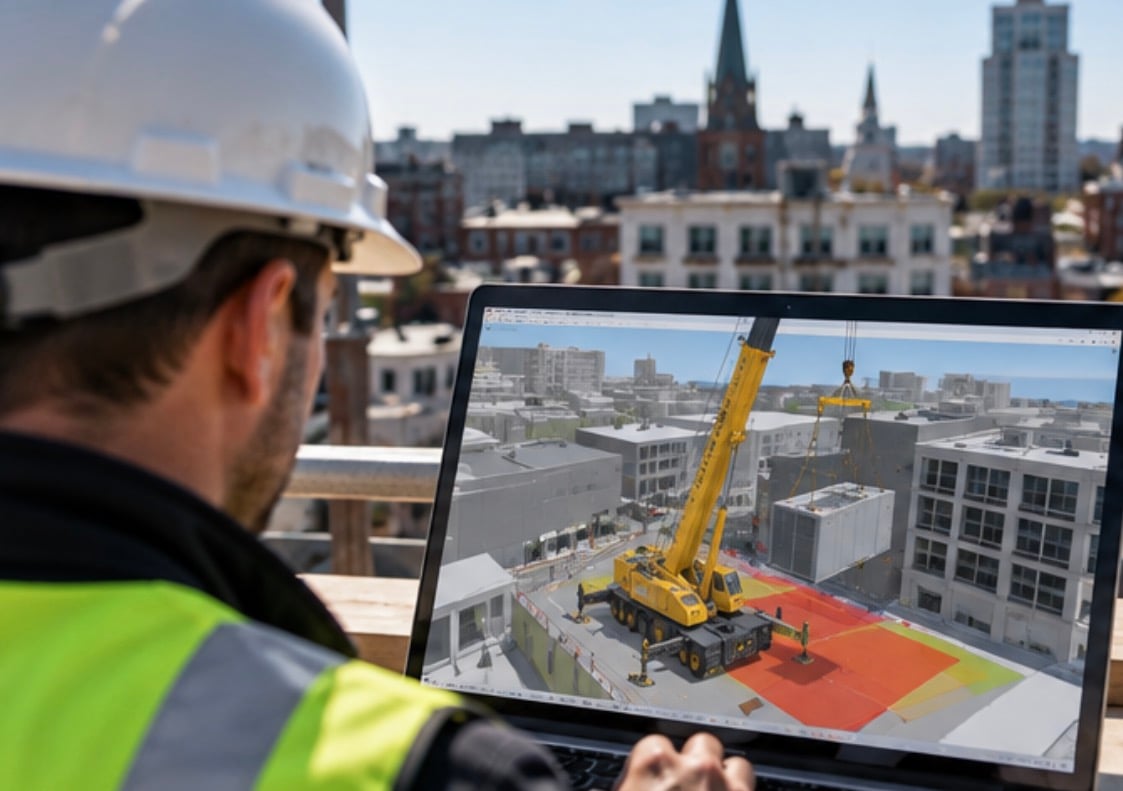
Cranes lift HVAC rooftop units through a clear, step-by-step process: a site visit to check access and weight, a detailed lift plan, and coordination with HVAC technicians. Before the lift, crews protect roof surfaces, confirm the unit’s base, and schedule any needed traffic control to avoid delays and protect warranties.
Successful HVAC lifts rely on teamwork: the crane operator handles the lift, riggers secure the load, and HVAC techs prepare and receive the unit on the roof. This coordination keeps the process safe and efficient.
Homeowners should look for HVAC contractors who communicate clearly with crane providers about load details, roof readiness, and timing. This early coordination reduces risks, lowers costs, and ensures a smooth rooftop placement.
What Heavy Lifting and Steel Erection Services Do Boston Crane Operators Provide?
Boston crane operators handle many heavy lifting jobs like putting up steel, placing modular buildings, lifting tower sections, and installing large equipment that needs multiple cranes and a certified rigging crew. Big lifts require input from structural engineers, detailed lift plans, and coordination for traffic control and timed deliveries, often over several days.
Operators usually provide the crew, rigging gear, and lift supervision, while contractors supply the structural anchors and check the placement. This division ensures loads are placed exactly as the engineer designed.
Larger projects mean more complex permits and insurance needs, making early planning and engineer-led lift planning crucial to avoid delays and extra costs.
How Do Boston Crane Operators Ensure Safety and Compliance on Job Sites?
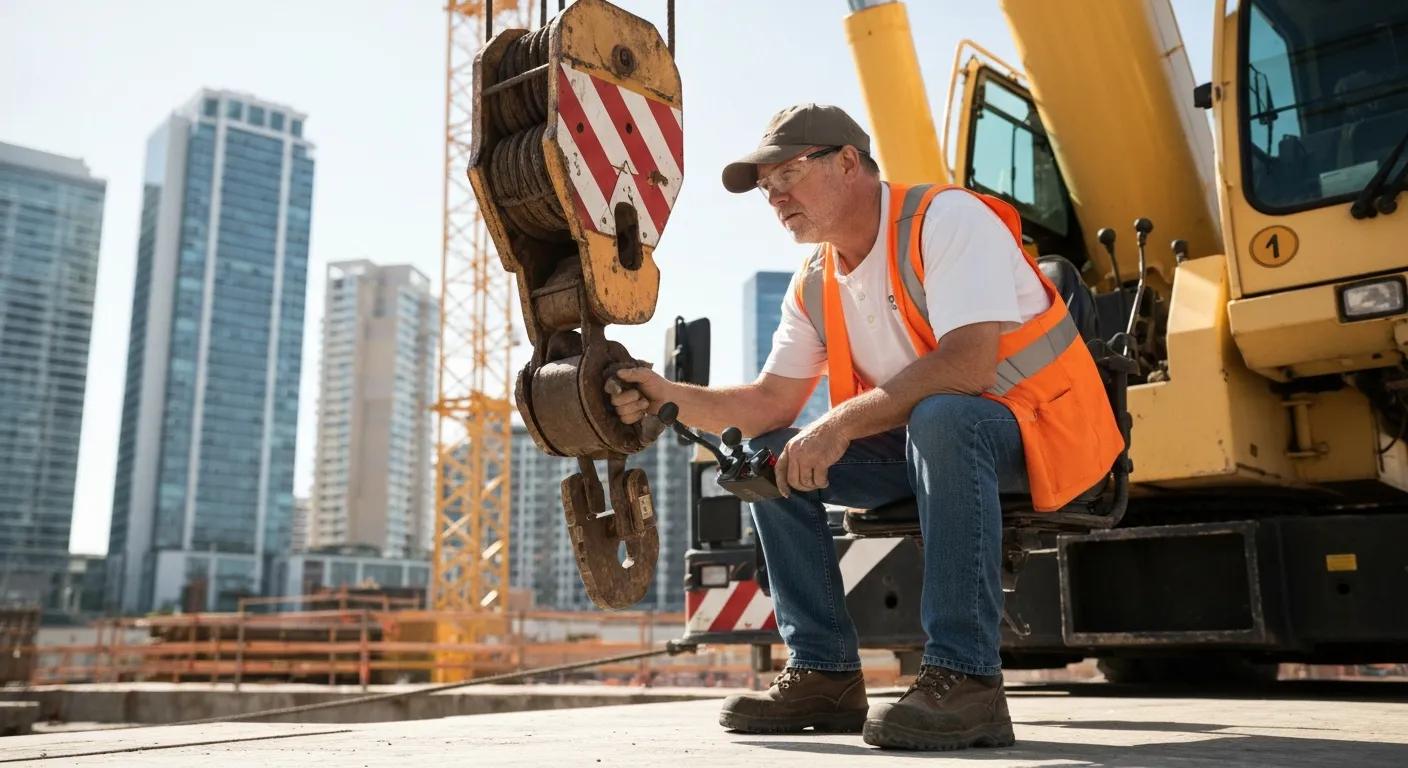
Safety and following rules on Boston crane jobs depend on pre-lift checks, certified workers, formal lift plans, daily equipment inspections, and sticking to OSHA standards and local permits. Operators lower risks with clear site safety plans that show restricted areas, signal persons, fall protection, and emergency steps.
This section explains key safety measures, gives a short checklist of rules, and suggests documents homeowners should ask for to confirm the operator follows rules before work starts.
Strong safety practices not only protect people and property but also reduce the chance of permit problems and insurance claims.
Key Safety Regulations for Crane Operations in Massachusetts
Crane operations in Massachusetts must follow federal OSHA rules and local city permit conditions that cover hoisting on public streets, traffic control, and street closures. Important steps include submitting a lift plan for very large lifts or those in public lanes, following inspection schedules, and keeping operator and equipment documents ready for city review.
Homeowners should ask for copies of inspection tags, operator certifications, and proof of permit filings to make sure the job meets all legal requirements. Checking these rules beforehand speeds up review times and shows authorities that safety is a top priority.
Documents to ask for before a lift:
- Proof of operator certification and training records.
- Current equipment inspection and maintenance records.
- Permit applications and traffic control plans.
This list is a quick check for vendors and permit officers.
Certified Operators Maintain OSHA Compliance in Boston
Certified operators follow OSHA rules through documented training, daily checks before starting work, sticking to load charts, and site-specific safety talks that match OSHA and manufacturer guidelines. Daily tasks include checking rigging gear, making sure the crane is set up correctly for the planned lift, and confirming signal person assignments to control movement in busy city areas.
Operators also keep records of safety talks and meetings, which show a proactive safety culture during city reviews. These work practices create clear safety records that protect homeowners and make any needed inspections or insurance checks smoother.
Choose MacDonald Crane for Safe, Reliable Lifting in Boston

Hiring the right crane operator in Boston comes down to safety, certification, and proven experience in tight city environments. Understanding crane types, pricing factors, and required documentation helps homeowners and project managers make informed decisions and avoid costly delays. With proper planning and qualified crews, even complex lifts, HVAC rooftop installs, or steel work can be completed smoothly.
Certified operators, clear communication, and strong safety practices are essential for navigating Boston’s permitting requirements and dense neighborhoods. From choosing between boom trucks and mobile cranes to reviewing inspection logs and lift plans, the right partner ensures your project stays efficient, compliant, and on schedule.
For dependable heavy lifting, expert-certified operators, and quick scheduling, contact MacDonald Crane today. Their local experience, modern equipment, and professional crews make them the trusted choice for safe, efficient crane rental and lifting services across Boston.