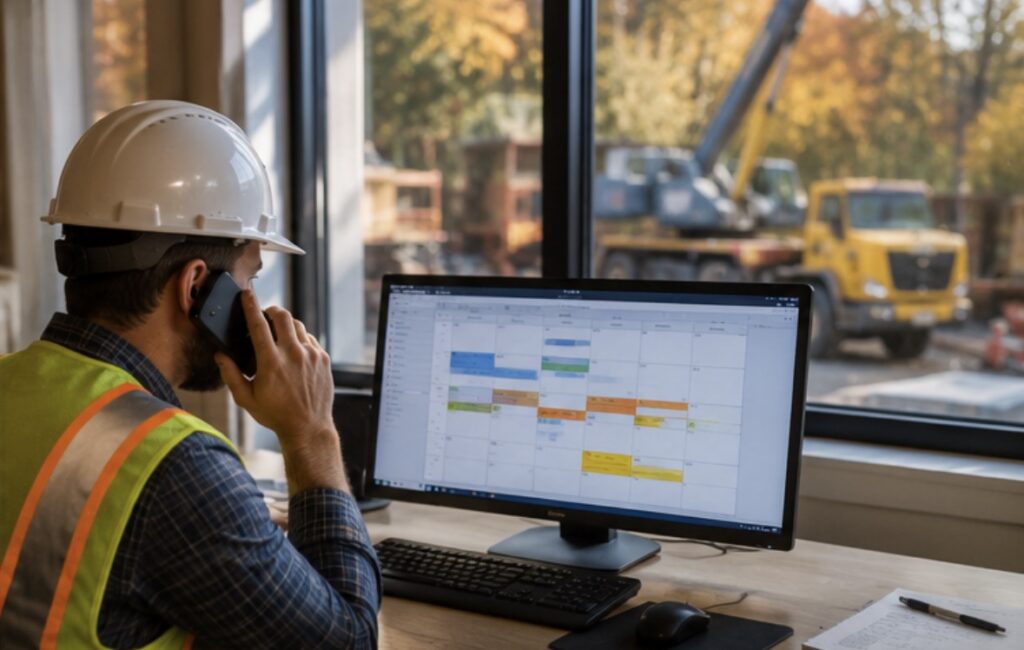
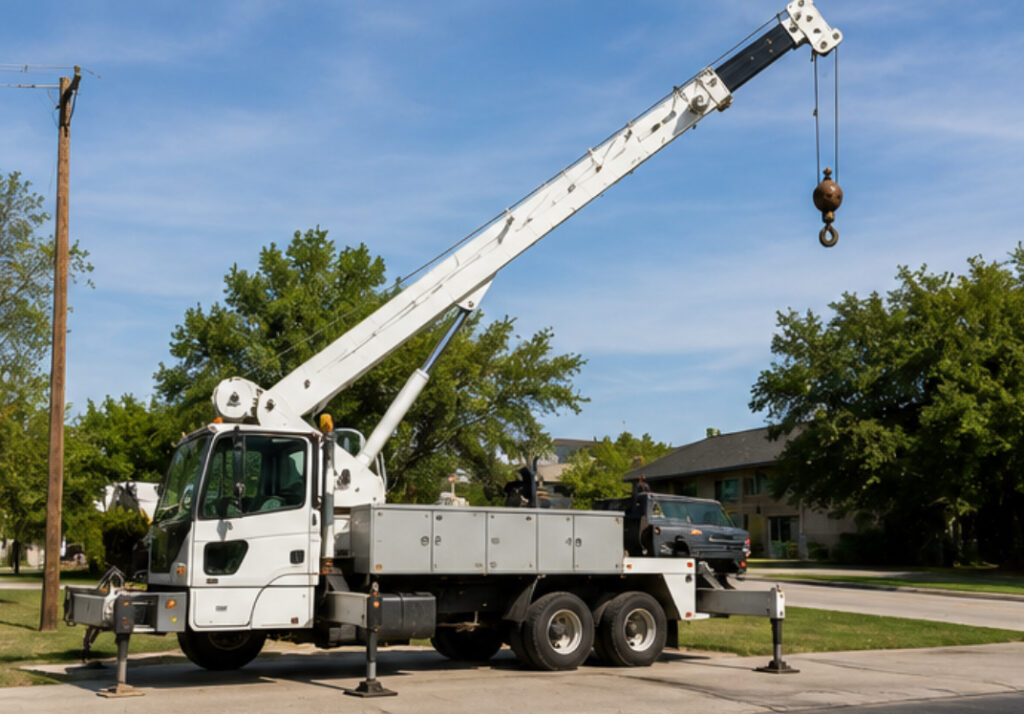
Not every project needs the biggest crane available. In fact, one of the most common mistakes contractors make is choosing equipment based solely on lifting capacity instead of considering reach, site access, setup space, and the type of work being performed. A crane that is perfect for setting rooftop HVAC units may be completely wrong for steel erection, machinery moving, or working in a confined downtown location.
The right crane helps keep a project on schedule, reduces unnecessary rental costs, and improves jobsite safety. Whether you’re lifting structural steel, placing rooftop equipment, installing precast concrete, or moving industrial machinery, understanding your crane rental options helps you make better decisions before the lift begins.
This guide explains the most commonly rented cranes in Massachusetts and how to determine which one best fits your project.
Why Does Crane Selection Matter More Than Most People Realize?
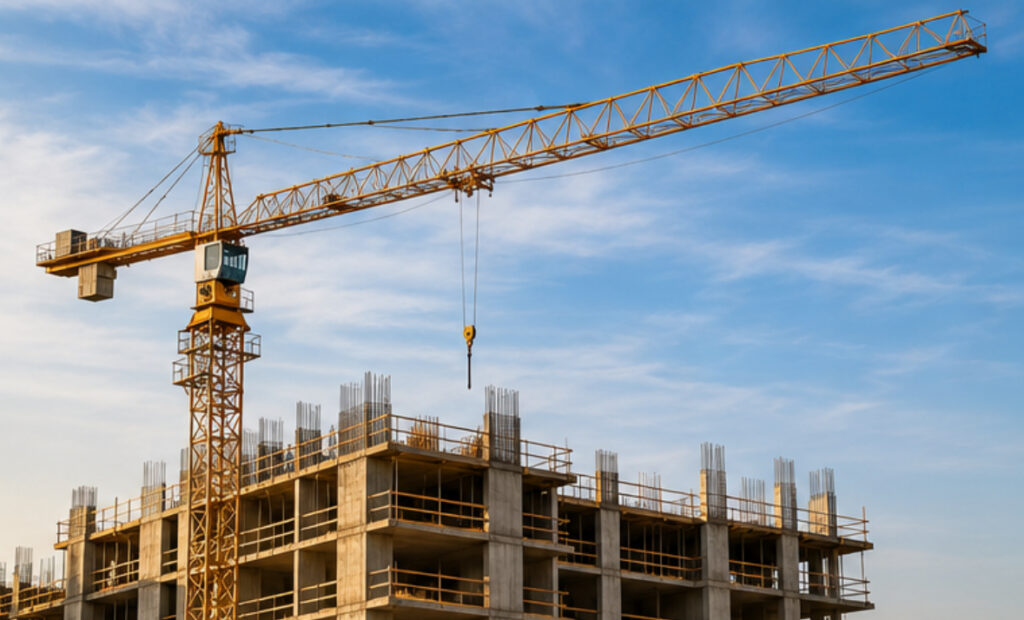
Many people assume crane selection starts and ends with load weight. In reality, experienced crane operators often ask more questions about the jobsite than the load itself. Factors like reach distance, setup location, ground conditions, power lines, building height, and available access frequently determine which crane can safely perform the work.
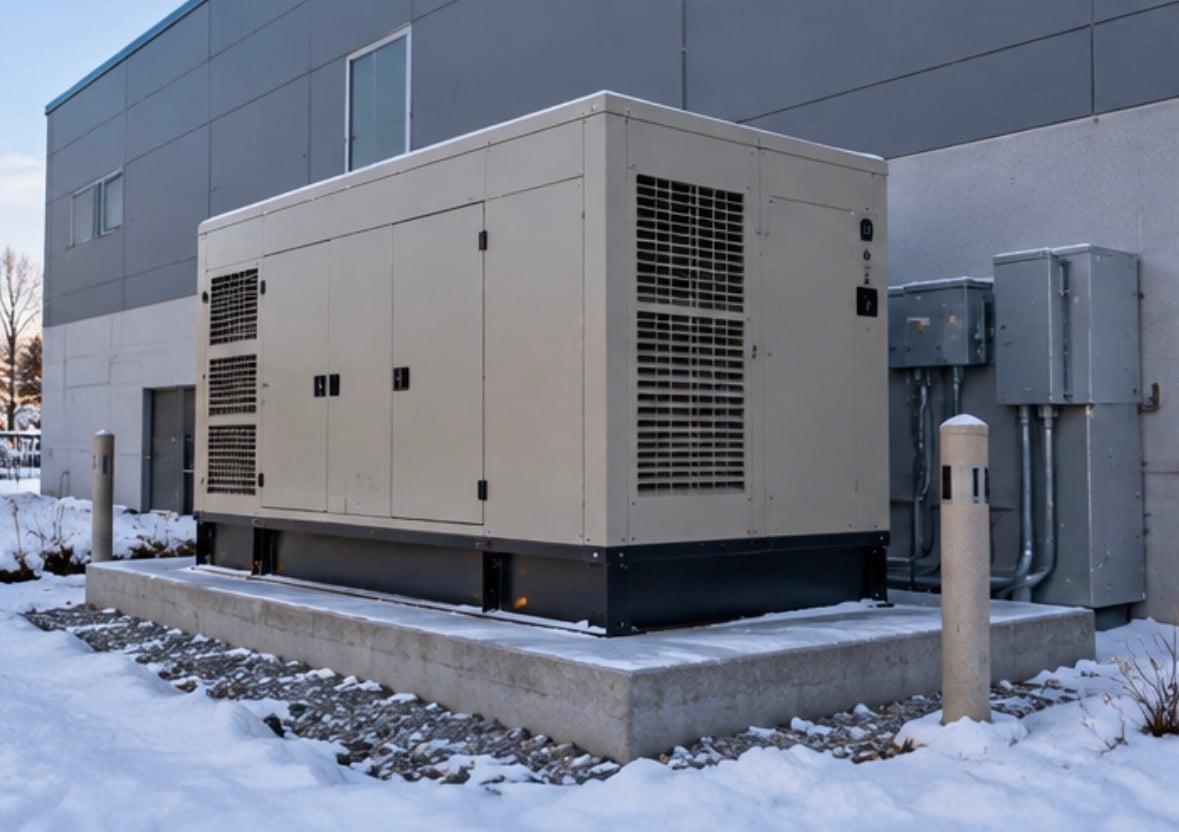
For example, a 3,500-pound rooftop HVAC unit may require a larger crane than a 10,000-pound generator sitting directly beside the crane. That’s because lifting capacity changes dramatically as the boom extends farther away from the machine.
Choosing the wrong crane can lead to:
- Higher rental costs than necessary
- Delays caused by inadequate reach
- Additional mobilization expenses
- Limited lifting capacity at the required radius
- Site access problems on lift day
This is why professional crane rental companies evaluate the entire lift, not just the weight of the load.
When Is a 30-Ton Boom Truck the Right Choice?
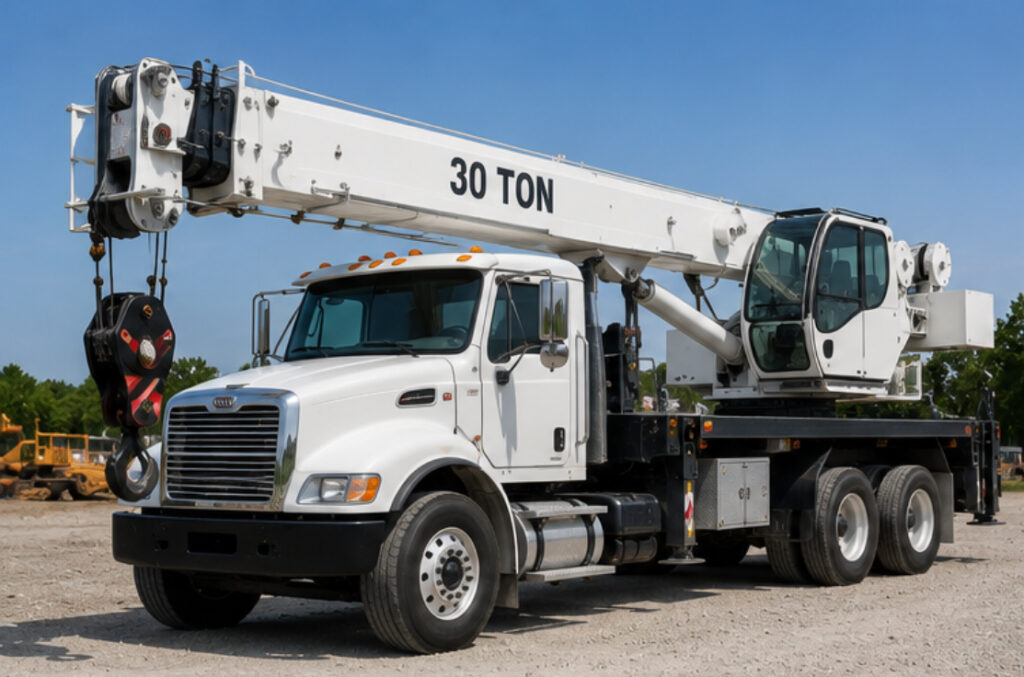
For many contractors, a 30-ton boom truck is the first crane they consider because it offers an ideal balance between lifting capability, mobility, and cost. Models such as the Manitex 30100C Boom Truck provide enough reach and capacity for a wide range of commercial and residential lifting projects while avoiding the larger setup requirements associated with heavier cranes.
One of the biggest advantages is speed. Because the crane is mounted directly on a road-legal truck chassis, it can travel to the jobsite, set up quickly, and complete lifts efficiently. This makes it particularly valuable for projects where downtime needs to be minimized or where space is limited.
Across Massachusetts, 30-ton boom trucks are commonly used for:
- Rooftop HVAC unit replacements
- Residential and multifamily truss installation
- Sign and billboard installation
- Light structural steel placement
- Mechanical equipment replacement
- Solar panel and rooftop material placement
- Small commercial construction projects
Why Contractors Often Choose a 30-Ton Boom Truck
| Advantage | Benefit |
|---|---|
| Fast Mobilization | Arrives and sets up quickly |
| Compact Footprint | Works well on tighter jobsites |
| Lower Operating Costs | Often more economical for smaller lifts |
| Excellent Reach for Typical Projects | Handles many day-to-day commercial lifts |
| Reduced Traffic Disruption | Requires less staging space |
For projects where access is limited and the lift does not require extreme capacity, a 30-ton boom truck often provides the most efficient solution.
When Do You Need a 50-Ton Crane Rental?
As projects become larger and more complex, contractors often move into the range where a 50-ton crane rental becomes the better option. These cranes provide significantly more lifting capacity and reach than a boom truck while remaining practical for many commercial and industrial applications.
In Massachusetts, 50-ton cranes are commonly used for:
- Structural steel erection
- Larger rooftop mechanical units
- Precast concrete placement
- Industrial equipment relocation
- Multi-story construction projects
- Utility and infrastructure work
The additional capacity becomes especially valuable when lifting loads at longer radiuses. A crane’s lifting ability decreases as the boom extends farther away from the machine, which means a lift that appears relatively light may still require a larger crane because of distance or building height.
Common Situations Where a 50-Ton Crane Makes Sense
| Project Type | Why a 50-Ton Crane Is Often Used |
|---|---|
| Steel Construction | Higher capacities and longer reach |
| Manufacturing Equipment Moves | Handles heavier machinery safely |
| Commercial Roofing Projects | Greater lifting flexibility |
| Multi-Story HVAC Replacements | Better rooftop access |
| Precast Installation | Supports larger and heavier loads |
For many contractors, a 50-ton crane represents the sweet spot between versatility and lifting power. It can handle a wide variety of commercial construction and industrial projects without stepping into the significantly higher mobilization requirements of larger specialty cranes.
How Do Contractors Determine Which Crane Fits the Job?
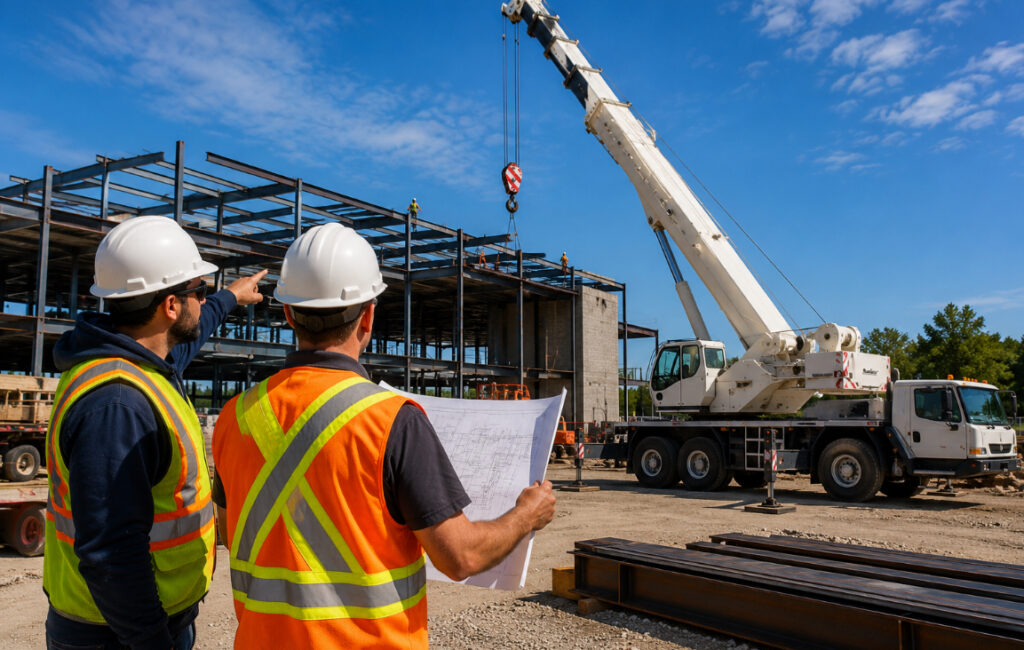
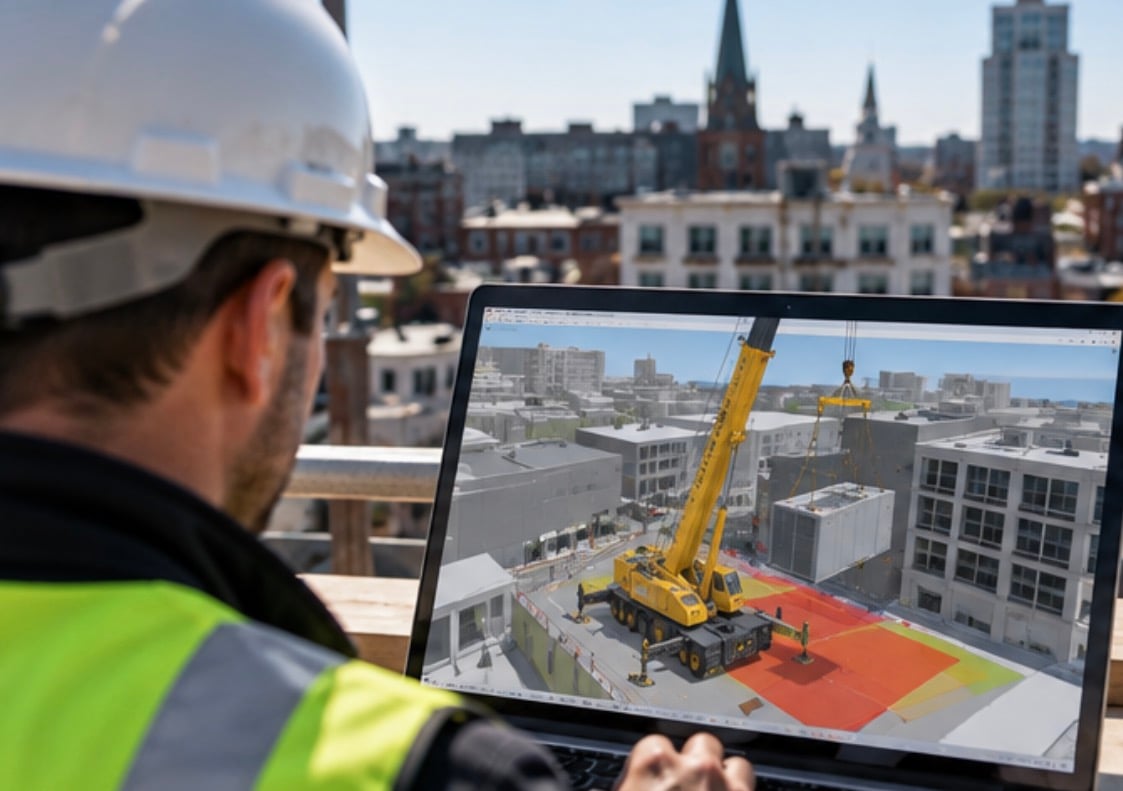
Selecting a crane is not simply a matter of matching equipment to load weight. Before a lift ever takes place, experienced crane companies perform a lift evaluation to understand exactly what the project requires. In many cases, site conditions influence crane selection more than the object being lifted.
A contractor may call requesting a crane for a 5,000-pound rooftop unit. The first question is rarely, “How much does it weigh?” Instead, the discussion usually focuses on where the crane can park, how far the load must travel, whether power lines are nearby, and how much boom length is required to reach the final location.
Key Factors That Influence Crane Selection
| Factor | Why It Matters |
|---|---|
| Load Weight | Establishes minimum lifting requirements |
| Lift Radius | Determines available lifting capacity |
| Lift Height | Impacts boom length requirements |
| Site Access | Affects crane size and setup options |
| Ground Conditions | Influences outrigger support and safety |
| Obstructions | Buildings, trees, and utilities may limit positioning |
This planning process helps avoid expensive surprises on lift day. A crane that cannot safely reach the load creates delays, additional mobilization costs, and project disruptions. By evaluating the entire lift beforehand, contractors can select equipment that matches the project while maintaining safety, efficiency, and productivity.
Which Crane Is Right for Your Project?
Most crane rental requests start with a simple question: “What size crane do I need?” The answer depends less on the crane itself and more on what you’re lifting, where you’re lifting it, and how far the crane must reach.
For example, placing a hot tub in a backyard may only require a 30-ton boom truck, while setting rooftop HVAC equipment on a three-story building could require a 50-ton crane rental because of the additional reach involved. The same applies to machinery moving projects, where access restrictions and lift radius often matter more than the actual weight of the equipment.
The table below shows how different types of projects are commonly matched with crane solutions throughout Massachusetts.
| Project Type | Common Crane Solution | Typical Considerations |
|---|---|---|
| Rooftop HVAC Installation | 30-Ton Boom Truck | Building height, rooftop access, lift radius |
| Residential Roof Trusses | 30-Ton Boom Truck | Neighborhood access and setup space |
| Sign Installation | 30-Ton Boom Truck | Reach requirements and traffic control |
| Spa & Hot Tub Placement | 30-Ton Boom Truck | Backyard access, fences, landscaping |
| Light Structural Steel | 30-Ton Boom Truck or 50-Ton Crane | Beam size and placement distance |
| Machinery Moving | 50-Ton Crane Rental | Equipment weight, precision placement |
| Industrial Equipment Installation | 50-Ton Crane Rental | Restricted access and lift complexity |
| Precast Concrete Placement | 50-Ton Crane Rental | Load weight and extended reach |
| Commercial Steel Erection | 50-Ton Crane Rental | Height, capacity, and multiple picks |
Rather than selecting equipment based on tonnage alone, experienced crane companies evaluate the entire lift. Factors such as setup location, ground conditions, building height, swing radius, and site access all influence the final recommendation. Taking those details into account helps ensure the crane arrives properly sized for the work, avoiding unnecessary costs, delays, and lift-day surprises.
Why Choose MacDonald Crane for Crane Rental in Massachusetts?

Choosing the right crane starts with choosing the right lifting partner. A successful lift depends on accurate planning, proper equipment selection, experienced operators, and a team that understands the realities of Massachusetts jobsites.
MacDonald Crane works with contractors, facility managers, property owners and industrial clients throughout Massachusetts. Whether the project requires a versatile 30-ton boom truck, a dependable 50-ton crane rental service, or a larger specialized lifting solution, the team evaluates the entire lift before recommending equipment.
From HVAC installations and steel erection to industrial equipment moves and complex construction projects, MacDonald Crane provides professional crane rental services backed by experienced operators, detailed lift planning, and a commitment to safety.
If you’re planning an upcoming lift, exploring crane rental options, or comparing equipment requirements, our team can help identify the right crane for your project while keeping your timeline and budget on track.