Renting a crane isn’t as simple as choosing the equipment and scheduling a delivery. In Rhode Island, every lift is affected by factors such as jobsite access, utility lines, local permitting requirements, and the surrounding environment. Whether you’re replacing rooftop HVAC equipment in downtown Providence or setting rooftop units on a new commercial building, planning ahead helps keep the project on schedule and reduces costly delays.
For HVAC contractors, general contractors, and property owners, understanding what’s require before the crane arrives is just as important as choosing the right crane. From obtaining permits to evaluating ground conditions and street access, several details should be addressed before lift day.
Do You Need a Permit to Rent a Crane in Rhode Island?
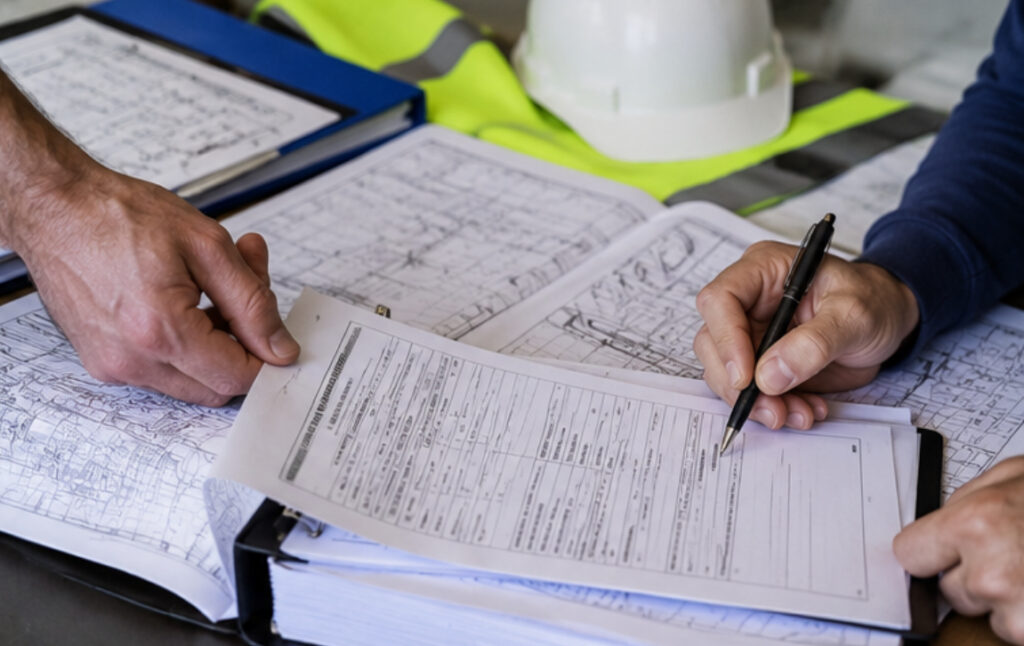
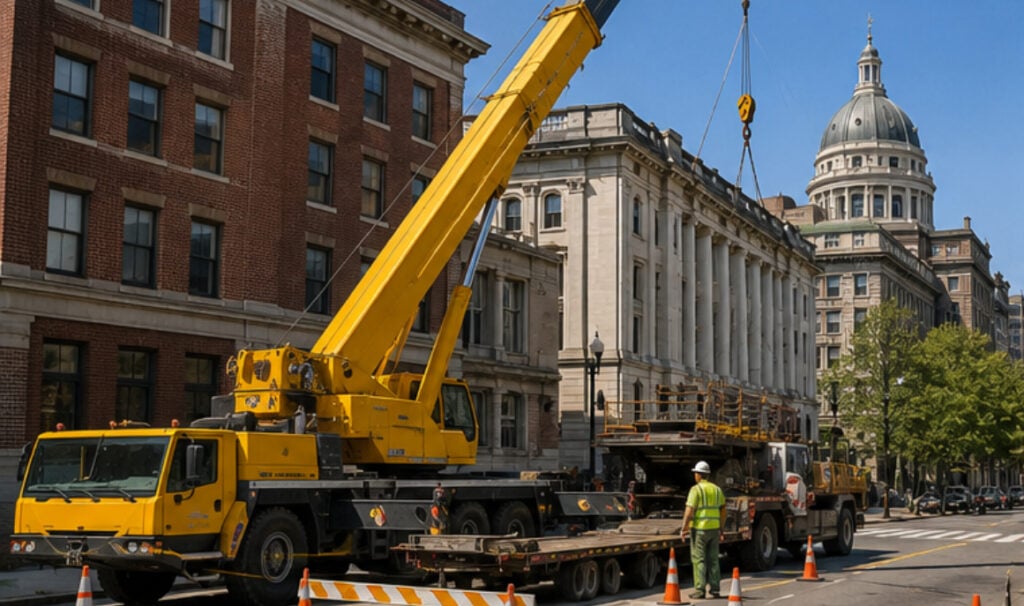
Renting a crane doesn’t always require a permit, but the lift itself often does depending on where the work is being performed. If the crane will occupy a public street, block traffic, extend into sidewalks, or require temporary road closures, permits are commonly required through the local municipality. Projects in busy areas of Providence typically involve more planning than lifts performed on private property.
Permit requirements can also vary between cities and towns throughout Rhode Island. Some municipalities require advance notice for traffic control, while others may require police details or coordination with local public works departments. Starting the permit process early helps prevent unexpected scheduling delays.
An experienced crane rental service provider can help contractors understand local permitting requirements, evaluate site conditions, and coordinate the planning process before the scheduled lift. Working with a knowledgeable crane company early helps reduce delays, improve jobsite efficiency, and keep your project on schedule.
What Should Be Evaluated Before Scheduling a Crane?
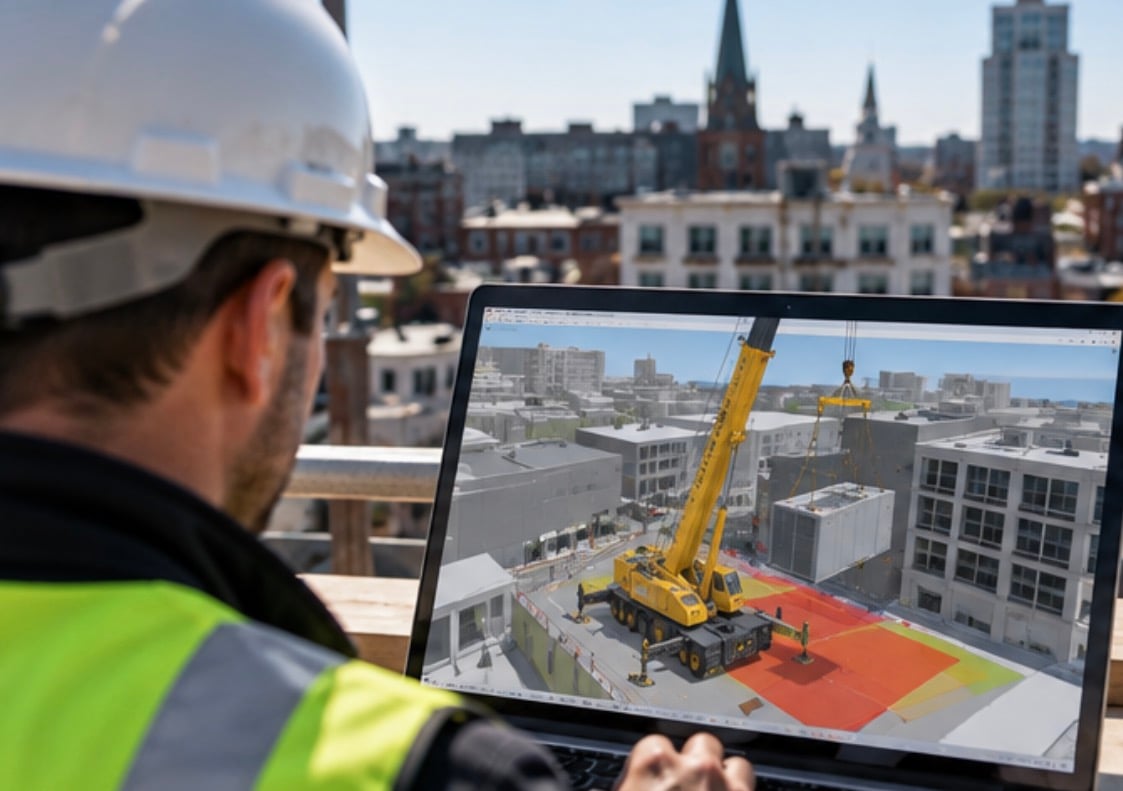
Every successful crane lift begins with a detailed site evaluation. Even when two projects involve similar equipment, factors such as ground conditions, crane access, nearby buildings, overhead utilities, and the required lifting radius can significantly affect the type of crane and setup plan. Reviewing these conditions in advance helps improve safety, reduce delays, and ensure the lift is completed as efficiently as possible.
| Jobsite Consideration | Why It Matters |
|---|---|
| Ground stability | The crane requires stable ground to safely support the load and outriggers. |
| Access for crane setup | Narrow driveways, fences, or parked vehicles may limit equipment access. |
| Overhead power lines | Safe clearance must be maintained throughout the lift. |
| Lift radius | The farther the crane reaches, the more lifting capacity is reduced. |
| Equipment weight | The weight of HVAC units, steel, or other materials determines the crane required. |
Many HVAC projects also require evaluating rooftop access before lift day. Identifying the exact placement location, roof obstructions, and final landing area helps reduce time spent with the crane on site.
What Information Should You Have Before Calling a Crane Rental Company?
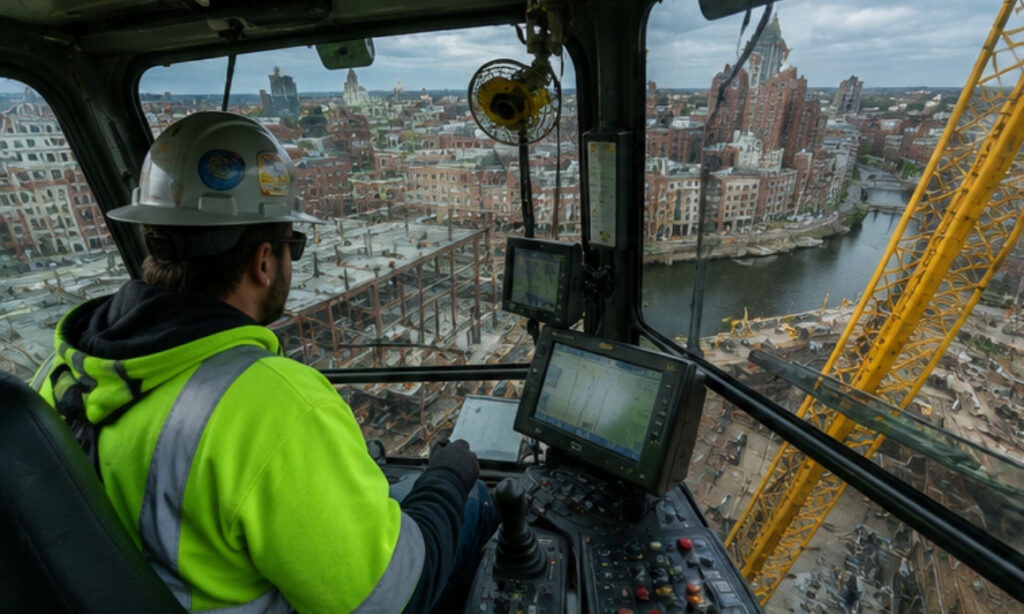
Providing accurate project information before requesting a quote allows the crane rental company to recommend equipment that matches your lifting requirements. Details such as the load weight, lift height, jobsite access, and placement location help planners determine the safest crane configuration while reducing the likelihood of unexpected changes or delays on lift day.
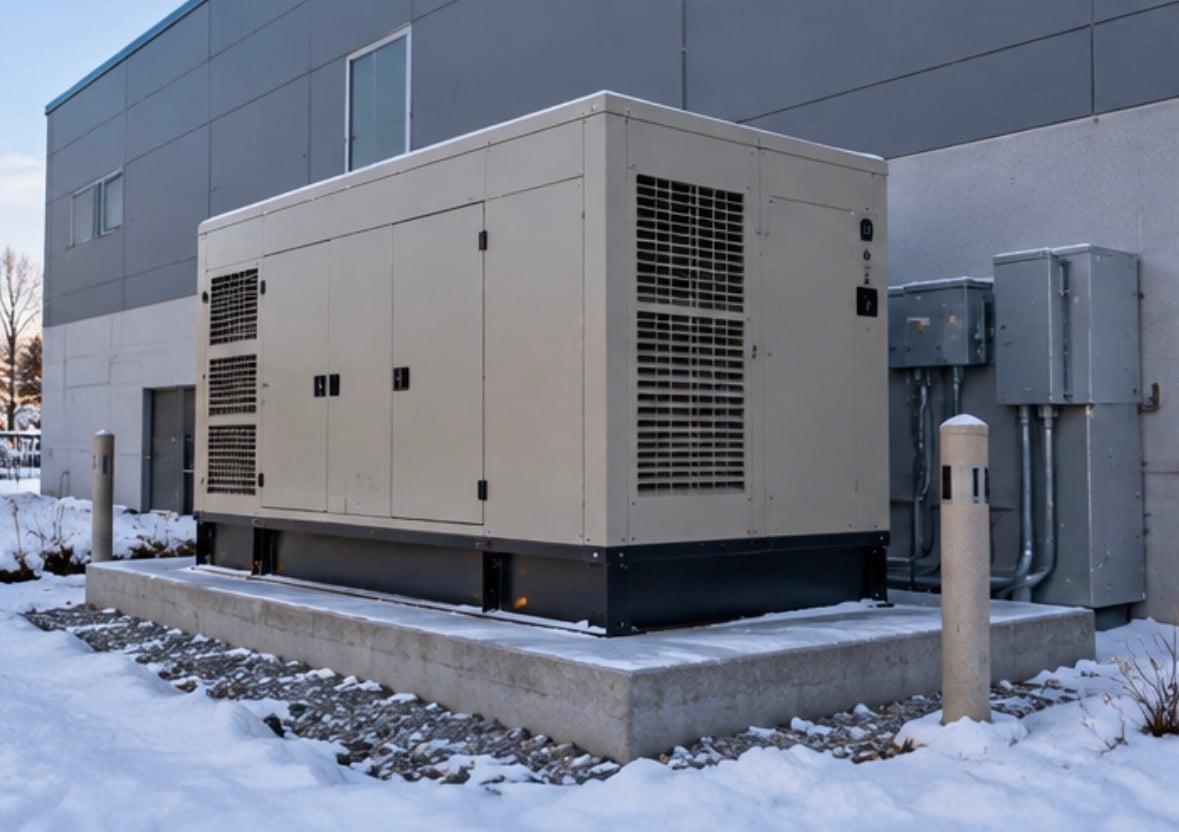
- Equipment Weight: Know the approximate weight of the rooftop unit, generator, steel beam, or other material being lifted.
- Lift Height: Estimate how high the crane will need to place the load, including the height of the building or structure.
- Jobsite Address: The exact location helps identify access limitations, nearby utilities, and municipal permit requirements.
- Preferred Lift Date: Scheduling early provides more flexibility, especially during busy construction seasons.
- Photos of the Site: Pictures of the building, surrounding streets, and available setup area help planners recommend the appropriate crane before visiting the site.
Even if you don’t have every project detail finalized, providing as much information as possible allows a professional crane rental service to begin evaluating the lift requirements and recommend the most suitable equipment. For larger commercial projects, a site visit often helps identify potential challenges before lift day, reducing delays once the crane arrives.
What Can Delay a Crane Rental Project?
Many crane projects stay on schedule because planning begins well before the equipment arrives. However, permit issues, restricted site access, inaccurate load information, or changing weather conditions can quickly delay a scheduled lift. Identifying these challenges during the planning phase helps contractors avoid downtime, control project costs, and keep multiple trades working according to schedule.
The most common delays can usually be prevented with proper planning.
| Potential Delay | How It Affects the Lift |
|---|---|
| Permit approvals still pending | The lift may have to be rescheduled until local approval is received. |
| Vehicles blocking the setup area | The crane cannot fully extend its outriggers or access the work zone safely. |
| Soft or saturated ground | Additional ground protection or a different crane configuration may be required. |
| Incorrect equipment weight | The scheduled crane may not have sufficient lifting capacity. |
| Severe weather | High winds or lightning can postpone the lift until conditions are safe. |
For example, a rooftop HVAC unit weighing 4,500 pounds requires a different crane configuration when it’s being placed 40 feet from the crane compared to 90 feet away. The lift radius has a direct impact on crane capacity, which is why accurate project information is so important during planning.
How Can You Prepare Your Jobsite Before Lift Day?
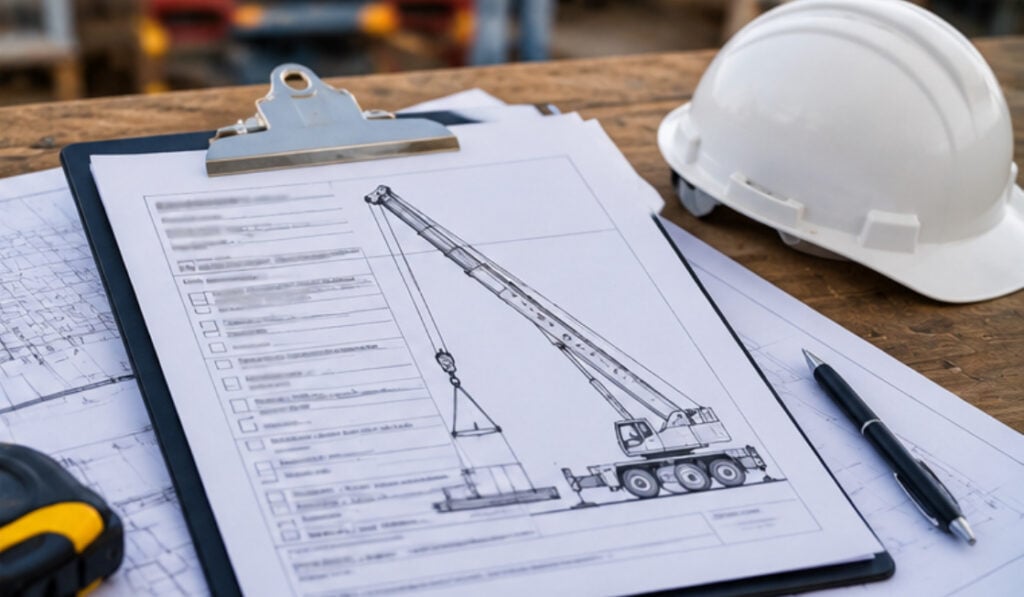
Preparing your jobsite before the crane arrives is one of the easiest ways to keep the lift running safely and efficiently. Confirming access routes, clearing the setup area, coordinating with other trades, and verifying equipment information before lift day helps reduce downtime, improve communication, and minimize costly delays once the crane is on site.
Confirm the Final Equipment Location
Make sure everyone involved knows exactly where the equipment will be placed before the crane arrives. Last-minute changes to rooftop unit locations or steel placement can increase lift time and require repositioning the crane.
Keep the Crane Setup Area Clear
The crane needs adequate space to deploy its outriggers safely. Remove dumpsters, delivery vehicles, construction materials, and other obstacles before the scheduled arrival time whenever possible.
Verify Equipment Weight and Rigging Points
Manufacturers typically provide equipment weights on data plates or shop drawings. Having accurate weight information allows the crane company to select the proper crane and rigging equipment for the lift.
Coordinate With Other Trades
Roofers, electricians, sheet metal crews, and HVAC installers should all be ready before the crane begins lifting. Good coordination helps avoid unnecessary delays and makes better use of scheduled crane time.
Review the Lift Plan With Your Crew
Before work begins, everyone involved should understand their responsibilities, communication methods, and the designated work area. A brief planning meeting helps reduce confusion once the lift starts.
Preparing your jobsite before lift day helps improve safety, reduce downtime, and keep the project moving efficiently. Coordinating with a professional crane rental service before the scheduled lift ensures the crane, rigging plan, and jobsite conditions are all aligned for a smooth and successful operation.
Why Choose MacDonald Crane for Crane Rentals in Providence & Rhode Island?

Every crane project is different, and successful lifts begin with careful planning long before the equipment arrives. At MacDonald Crane, we work closely with general contractors, HVAC contractors, steel erectors, and property owners to help coordinate safe, efficient lifting operations from the initial site review through project completion.
With more than 15 years of experience, our team provides reliable crane rental services for rooftop HVAC installations, structural steel placement, generators, mechanical equipment, and commercial construction projects throughout Providence and Rhode Island. We evaluate lift requirements, review site access, verify equipment weights, and develop lift plans that help projects stay safe, efficient, and on schedule.
Whether you’re replacing a rooftop HVAC unit, setting structural steel, lifting generators, or moving heavy mechanical equipment, MacDonald Crane has the experience and equipment to support your project.
Contact our team today to discuss your upcoming lift and receive expert guidance on the right crane solution for your jobsite.