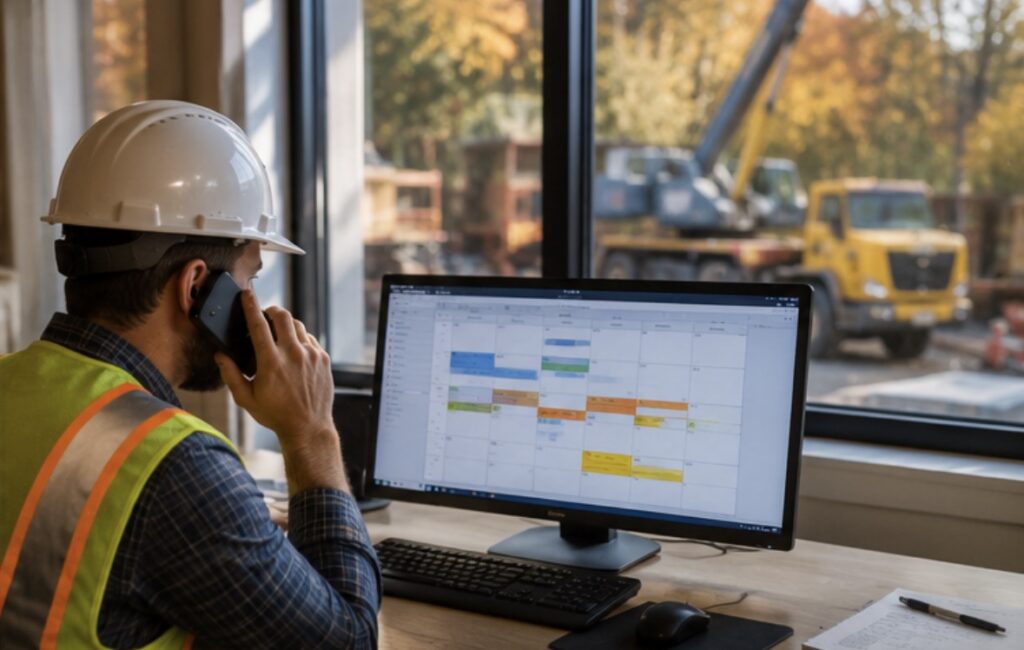
Whether you’re planning a rooftop HVAC replacement, lifting structural steel, or moving heavy mechanical equipment, crane safety starts long before the load leaves the ground. One simple guideline that’s gained attention across the lifting industry is the 3-3-3 rule. While it isn’t an official OSHA regulation or an industry standard, it’s a practical safety reminder that reinforces three critical habits before and during every lift.
For general contractors, HVAC contractors, and jobsite supervisors, the 3-3-3 rule serves as an easy checklist that encourages safer lifting operations. It focuses on equipment inspection, maintaining a safe distance from suspended loads, and verifying key conditions before the crane begins lifting. When combined with proper crane lift planning and qualified personnel, these simple steps can help reduce preventable incidents.
What Is the 3-3-3 Rule?
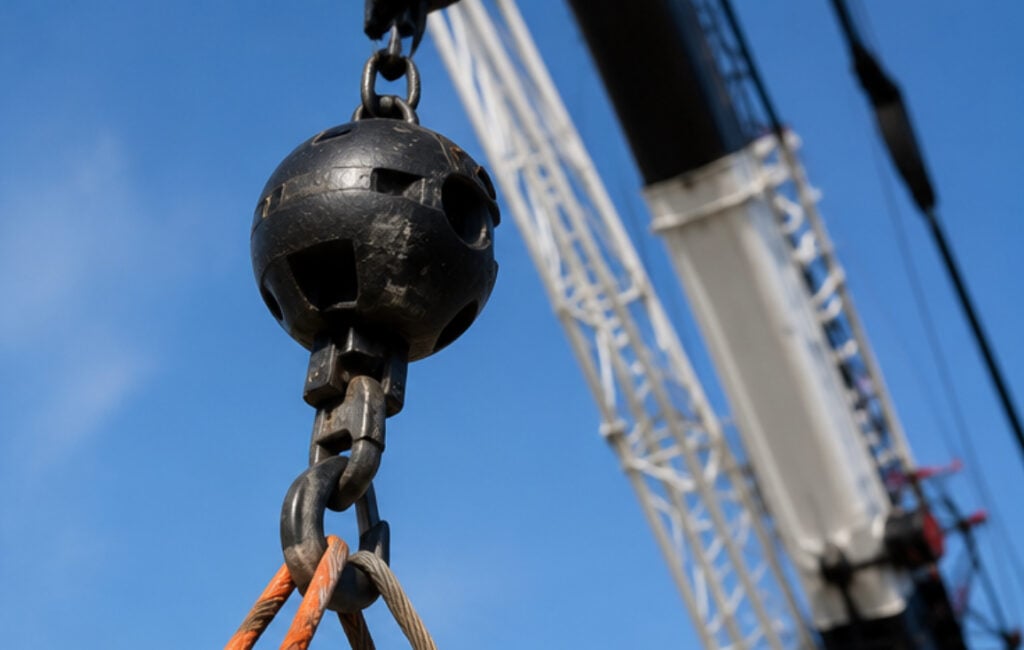
The 3-3-3 rule breaks crane safety into three simple reminders that crews can remember on every lift. Although different companies may adapt the concept slightly, the most widely shared version includes taking 3 seconds to inspect lifting equipment, maintaining 3 meters of clearance from suspended loads, and completing 3 critical safety checks before lifting begins.
The goal isn’t to replace a lift plan or safety procedures. Instead, it reinforces the basic habits that are sometimes overlooked when crews are under pressure to finish a project quickly. Many lifting incidents happen because of rushed inspections, communication failures, or workers entering the load path, making these reminders valuable on jobsites of every size.
What Do the Three Parts of the Rule Mean?
Each part of the 3-3-3 rule focuses on preventing one of the most common causes of lifting accidents. Together, they encourage crews to pause, verify conditions, and maintain a safe work zone before every lift.
| 3-3-3 Rule | What It Means |
|---|---|
| 3 Seconds | Take a few moments before every lift to inspect the crane, slings, hooks, shackles, and other lifting gear for visible damage or defects. |
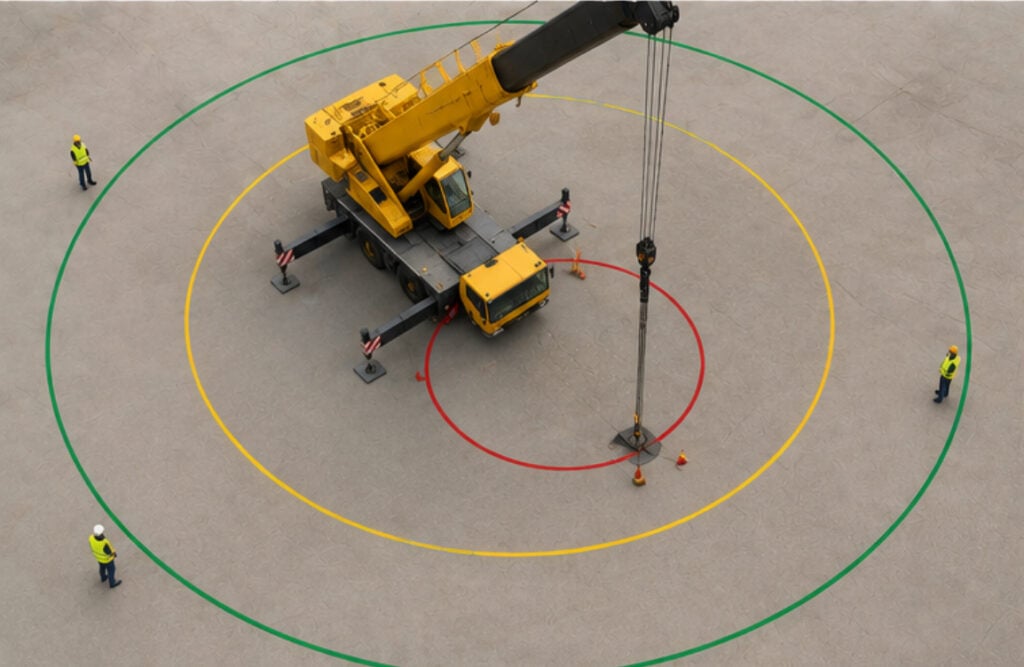
| 3 Meters | Keep people at least 3 meters (about 10 feet) away from a suspended load whenever practical, and never allow anyone to stand directly beneath it. |
| 3 Checks | Verify the load weight matches the crane’s lifting capacity, confirm stable ground conditions, and ensure clear communication between the operator and signal person or rigger. |
While the “3 seconds” reminder emphasizes taking a final pause, thorough crane inspections should always follow company procedures and manufacturer recommendations. A complete pre-lift inspection often takes much longer than a few seconds, depending on the complexity of the lift.
Why Is the 3-3-3 Rule Important for HVAC and Construction Projects?
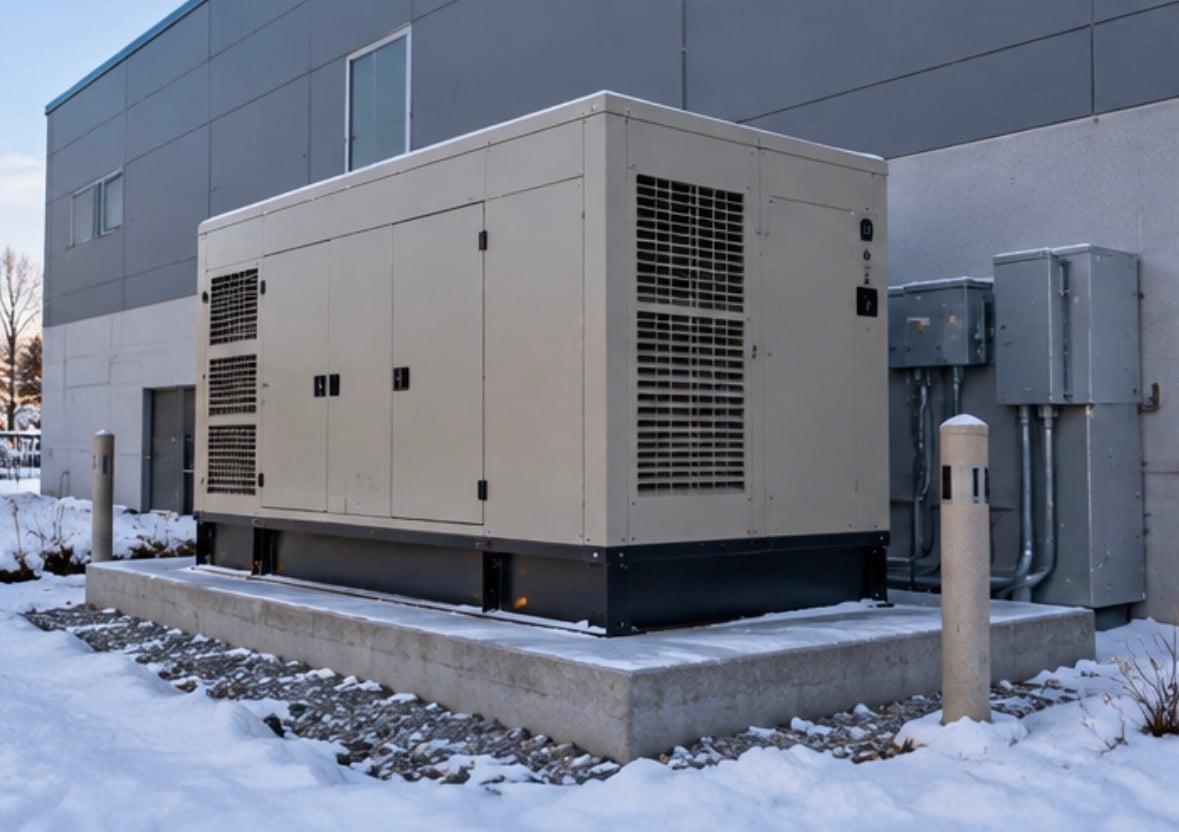
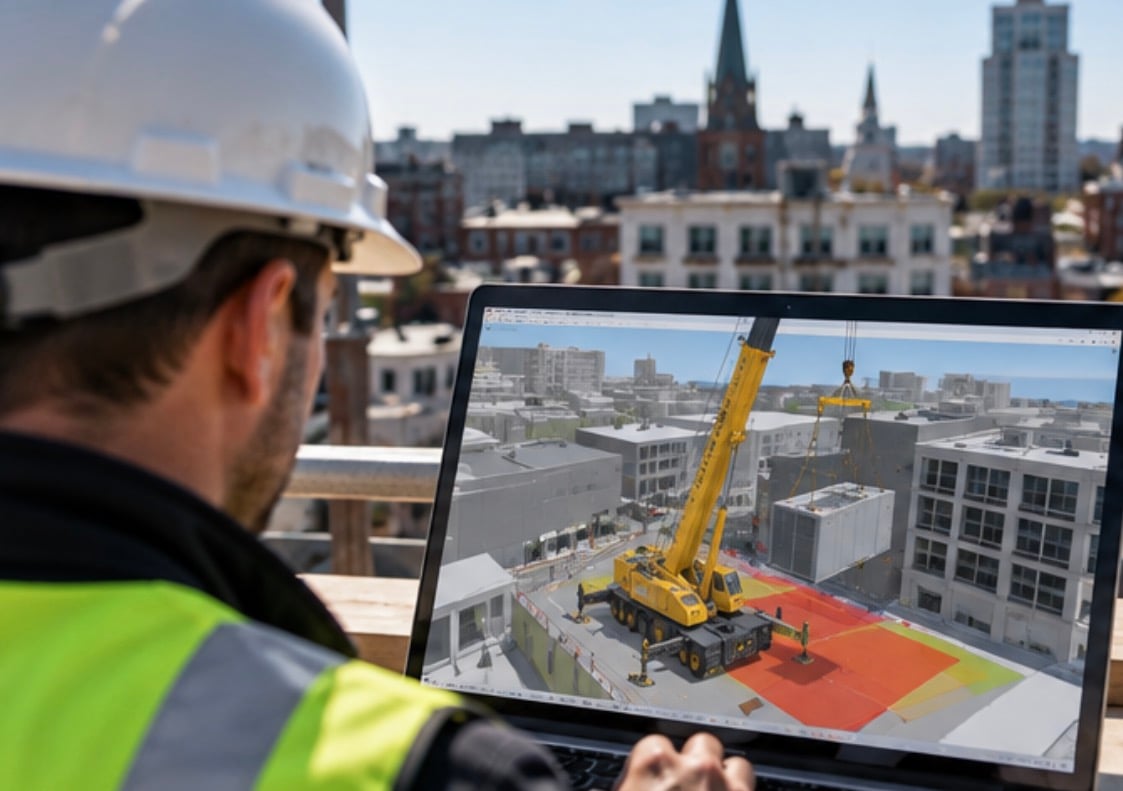
Many crane rentals for HVAC projects in Rhode Island involve rooftop units, generators, steel beams, or other mechanical equipment where multiple trades are working in the same area. These projects often take place in busy commercial environments with limited setup space, nearby traffic, or overhead utilities. A simple safety reminder helps everyone stay focused before the lift begins.
Following the 3-3-3 rule encourages crews to slow down and confirm that critical safety steps haven’t been missed.
- Inspect Lifting Equipment: Check slings, hooks, shackles, and rigging hardware before every lift for wear, deformation, or damage.
- Keep Workers Out of the Load Path: Never allow employees or bystanders beneath a suspended load, even during short lifts.
- Verify the Load Weight: Confirm the actual equipment weight using manufacturer documentation instead of estimates whenever possible.
- Confirm Stable Ground Conditions: Make sure the crane’s outriggers are supported on ground capable of handling the imposed load.
- Establish Clear Communication: Use designated signal persons, standard hand signals, or radios so everyone involved understands the lift plan before work begins.
On complex lifts, these simple reminders should always be supported by a formal lift plan, qualified crane operators, competent riggers, and a thorough jobsite risk assessment. The safest crane operations rely on planning, communication, and disciplined execution, not shortcuts.
How Does the 3-3-3 Rule Apply During a Real Crane Lift?
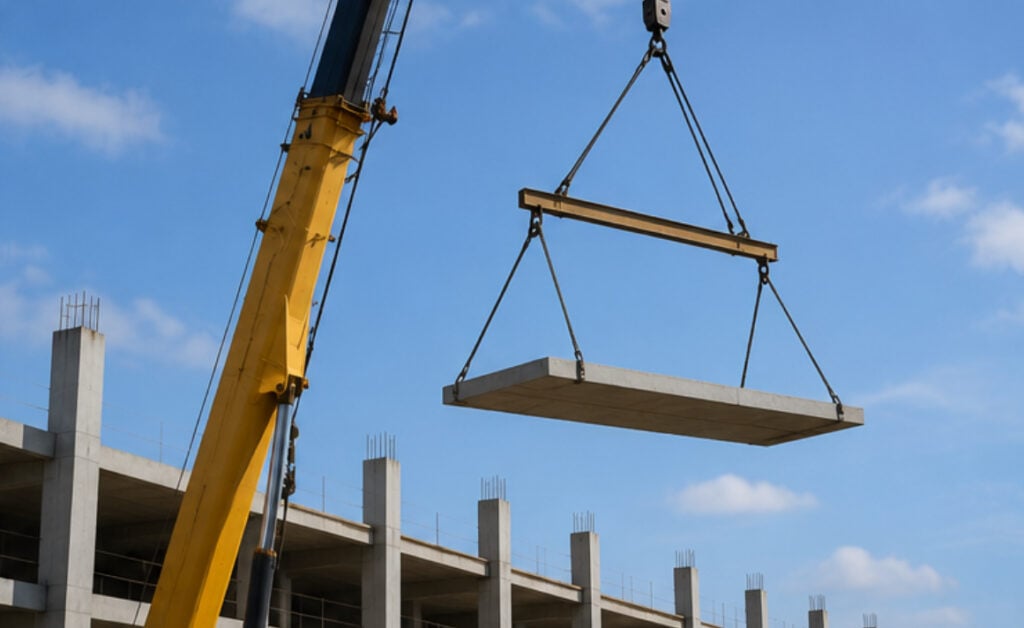
The 3-3-3 rule is most effective when it’s incorporated into the crew’s normal lifting routine instead of being treated as a separate safety exercise. Before the crane operator begins lifting, everyone involved should understand the lift sequence, designated work zones, and communication procedures. Even routine HVAC equipment replacements benefit from taking a few extra moments to verify these details.
For example, a rooftop RTU replacement in downtown Providence may involve a crane operator, signal person, HVAC crew, building management, and traffic control personnel. If one person enters the lift zone unexpectedly or the equipment weight has been estimated incorrectly, the entire operation should stop until the issue is resolved. Taking time to verify these conditions is often far less costly than correcting a mistake after the lift has started.
Is the 3-3-3 Rule an OSHA Requirement?
One of the biggest misconceptions is that the 3-3-3 rule is an official OSHA regulation. It isn’t. Instead, it’s a safety best practice that’s widely shared throughout the lifting industry because it reinforces habits that align with safe crane operations.
That doesn’t mean regulatory requirements can be overlooked. Every crane lift must still comply with applicable OSHA standards, manufacturer instructions, qualified operator requirements, proper rigging practices, and site-specific safety procedures. The 3-3-3 rule simply serves as an easy reminder of the checks that experienced crews already perform before lifting begins.
The most successful crane operations don’t rely on a single rule. They combine proper planning, qualified personnel, equipment inspections, communication, and continuous attention to changing jobsite conditions throughout the lift.
What Other Crane Safety Practices Should Contractors Follow?
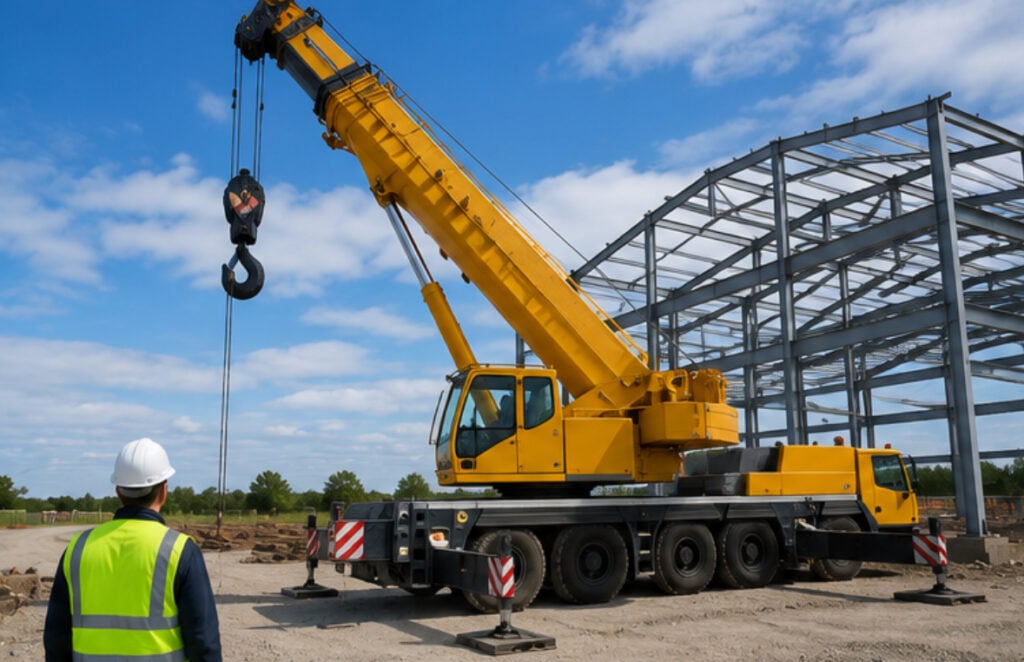
The 3-3-3 rule is only one part of a safe lifting operation. Professional contractors also follow additional practices that help reduce risk before, during, and after every lift.
| Safety Practice | Why It Matters |
|---|---|
| Conduct a pre-lift meeting | Ensures everyone understands the lift plan and individual responsibilities. |
| Verify weather conditions | High winds, lightning, or poor visibility may require postponing the lift. |
| Inspect rigging before use | Damaged slings or hardware should never be used for lifting. |
| Confirm crane load chart | Capacity changes based on boom length, lift radius, and configuration. |
| Establish an exclusion zone | Keeps unauthorized personnel away from the lifting area. |
Experienced crane crews also know that no two lifts are identical. A 6,000-pound rooftop HVAC unit placed 40 feet from the crane requires a different lifting configuration than the same unit placed 90 feet away. Factors such as lift radius, boom angle, and ground conditions all influence safe lifting capacity, which is why every project should be evaluated individually.
Why Choose MacDonald Crane for Crane Rentals in Providence & Rhode Island?
Safe crane operations begin with proper planning, experienced operators, and a company that understands the unique challenges of each jobsite. At MacDonald Crane, we work with HVAC contractors, mechanical contractors, general contractors, and commercial property owners to help ensure every lift is planned with safety and efficiency in mind.
With 15 years of experience serving Providence and communities throughout Rhode Island, we provide reliable crane rental services for rooftop HVAC replacements, structural steel installation, generators, mechanical equipment, and other heavy lifting projects. From evaluating jobsite access and lift requirements to selecting the right crane and coordinating the lift plan, our experienced team is committed to delivering safe and reliable solutions for every project.
If you’re planning an upcoming crane lift, contact MacDonald Crane to discuss your project. We’ll help you choose the right crane, evaluate jobsite conditions, and support a safe, efficient lift that keeps your project moving forward.