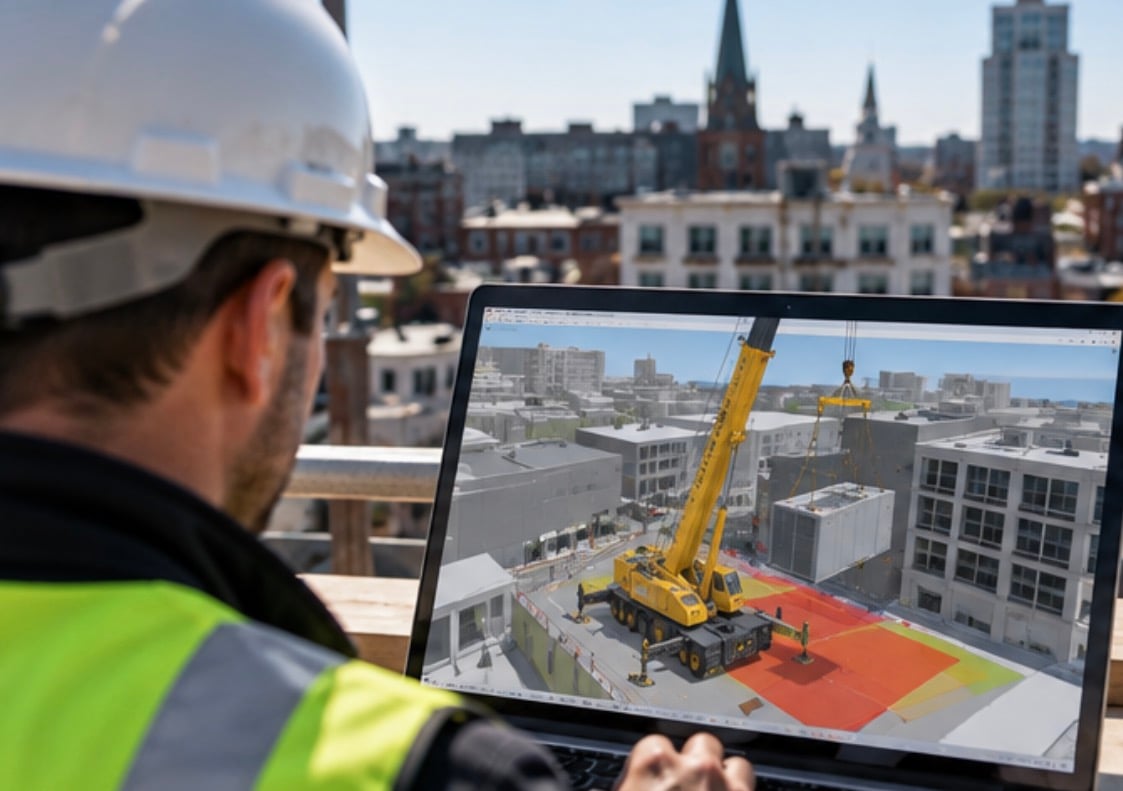

If your Massachusetts construction project needs a crane this fall, start planning several weeks before the intended lift date. A straightforward one-day pick may be easier to schedule, while structural steel, rooftop HVAC placement, precast installation, or multiple heavy picks can require significantly more coordination.
Fall schedules can tighten quickly as contractors work toward year-end deadlines and weather becomes less predictable. The crane also has to match the load, working radius, access conditions, and planned lift sequence. Booking early gives you time to confirm equipment availability, review the jobsite, coordinate deliveries and crews, and address potential scheduling problems before the crane becomes critical to your project.
Book Your Fall Crane Before It Becomes a Critical-Path Item
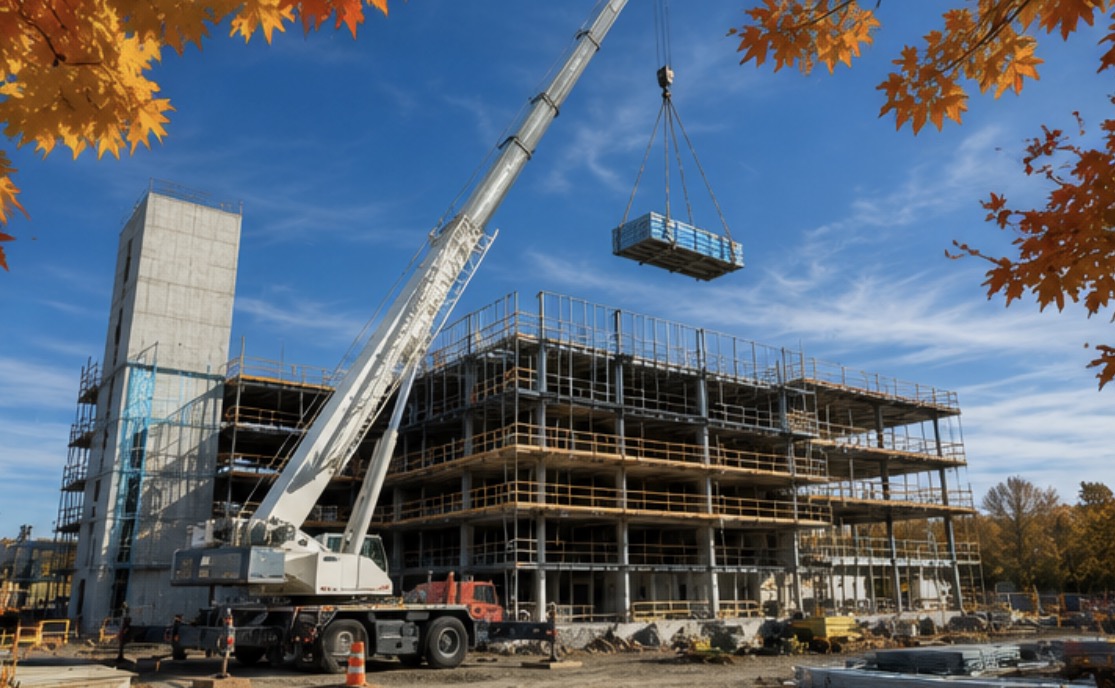
The earlier you reserve a crane, the more flexibility you have to coordinate the equipment with the rest of the construction schedule. This matters particularly in September, October, and November, when a delay in one trade can quickly affect the following activities and available crane dates may become limited.
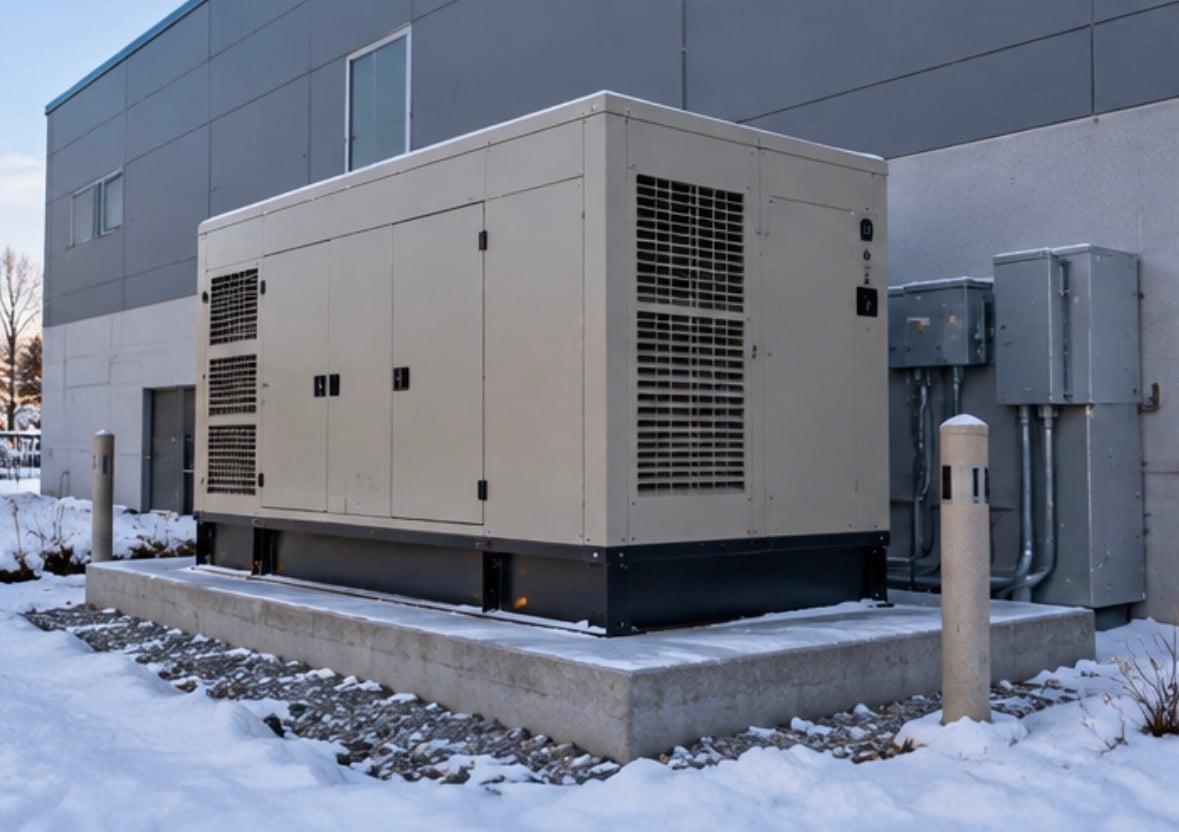
For example, if a contractor needs a crane to place a 12,000-pound rooftop HVAC unit, the lift date cannot simply be based on when the crane is available. The HVAC equipment must be delivered, the roof opening or equipment pad must be ready, the crane must have a suitable setup location, and the required lifting radius must be confirmed. Booking the crane after all of those elements are already fixed can create unnecessary scheduling pressure.
Practical Planning Windows
| Lift Type | Recommended Planning Approach |
|---|---|
| Simple single-day lift | Contact the crane company several weeks ahead |
| Rooftop HVAC placement | Coordinate crane booking with equipment delivery |
| Structural steel erection | Plan early around the erection sequence |
| Multiple heavy picks | Allow additional time for lift planning |
| Restricted-access site | Start planning early for setup and access |
| Roadside or urban lift | Allow time for traffic control and permitting |
| Specialized crane requirement | Reserve equipment as early as practical |
| Fixed fall deadline | Book before the crane becomes part of the critical path |
The exact lead time depends on the crane capacity, load, working radius, jobsite, duration, and required support services. Giving the crane company complete information early is often more useful than simply asking whether a crane is available on a particular date.
Start With the Load, Reach, and Placement Requirements
Before a crane company can recommend equipment, it needs to understand what the lift actually involves. Knowing that a project requires “a crane for an HVAC unit” is not enough to determine the appropriate machine. A 10,000-pound load placed 30 feet from the crane presents a very different lifting requirement from the same load positioned 100 feet away and elevated several stories.
Gather the basic lift information before requesting a quote or reservation:
- Load weight: Provide the actual weight whenever possible, including rigging or lifting accessories that affect the total load.
- Load dimensions: Note the length, width, height, and shape of the item.
- Lift height: Estimate how high the load must travel to reach its final position.
- Working radius: Identify the approximate horizontal distance from the crane’s setup position to the load’s placement point.
- Final location: Explain exactly where the material or equipment will be positioned.
- Number of picks: State whether the project involves one lift or multiple loads.
- Preferred schedule: Provide the target date, start time, and expected duration.
These details allow the crane company to evaluate the lift based on actual requirements instead of making assumptions from the load weight alone. Crane capacity changes with working radius and boom configuration, so the crane that can handle a particular load close to the machine may not have the same capacity at a greater reach.
Give the Crane Company Time to Evaluate the Jobsite
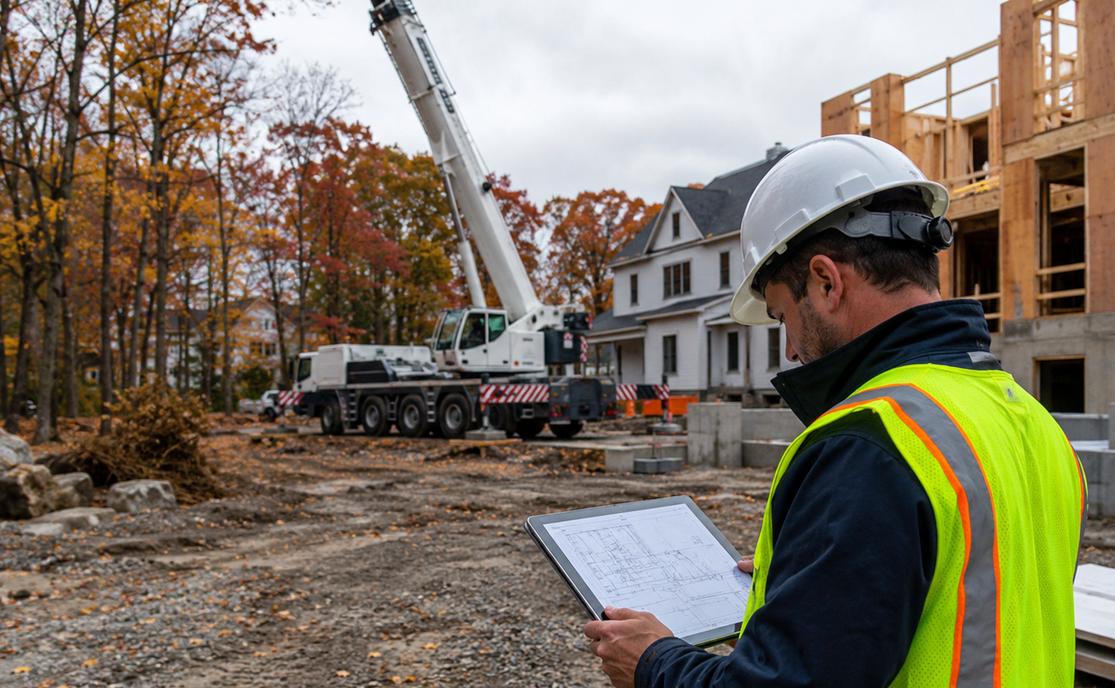
The crane needs a suitable place to set up, not just enough capacity for the load. Narrow access, overhead utilities, soft ground, nearby structures, and active roads can all affect which crane can be used and where it can operate.
Provide the crane company with the jobsite address, photos, site plans, and any known access restrictions early in the scheduling process.
Site Details to Confirm
- Setup area: Where will the crane be positioned?
- Access: Can the crane reach the setup location?
- Ground: Is the surface suitable for the equipment?
- Clearance: Are power lines, trees, or structures nearby?
- Staging: Where will the load wait before the pick?
- Placement: Is there enough room at the final location?
For example, a 15,000-pound load may be within a crane’s capacity at a short radius but require different equipment when the load must travel farther. Reviewing these conditions early gives you time to adjust the equipment or setup before the scheduled lift instead of discovering a problem on crane day.
Coordinate the Crane With Your Construction Schedule
Once the crane date is identified, coordinate the lift with the activities that need to happen immediately before and after it. A crane sitting on site does not automatically mean the project is ready for the pick. The load should be delivered or staged, the receiving area should be prepared, and the crew responsible for guiding and securing the load should be ready when the crane arrives.
For example, if you’re placing rooftop HVAC equipment, coordinate the crane arrival with the equipment delivery and confirm that the roof location is ready before the lift. For structural steel, the erection sequence should be established so the crane can move through the planned picks without unnecessary downtime.
Before confirming your crane rental service, make sure these details are aligned:
- Lift date: Confirm the date with the project superintendent and other trades.
- Start time: Allow enough time for crane setup before the first pick.
- Load arrival: Confirm when materials or equipment will reach the site.
- Crew readiness: Ensure the rigging and receiving crews are prepared.
- Site readiness: Complete any required access, staging, or ground preparation.
- Lift sequence: Establish the order for multiple picks before the crane arrives.
This coordination helps prevent paying for crane time while another part of the project is still waiting to be completed.
Leave Room for Weather and Fall Scheduling Changes
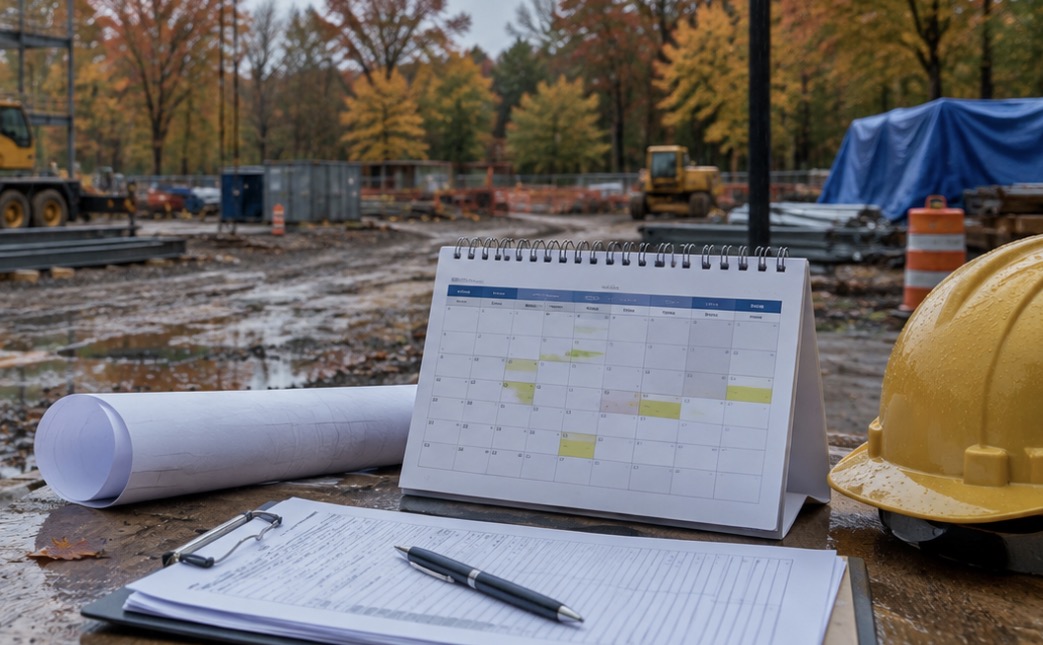
Massachusetts fall weather can introduce another variable into crane scheduling. Wind, rain, poor visibility, or changing ground conditions can affect whether a lift can proceed safely. Contractors working toward a fixed completion date should therefore avoid building a schedule with no room for a weather-related change.
That does not mean reserving a crane weeks earlier than necessary for every project. Instead, discuss the weather policy, rescheduling process, and availability of alternate dates with the crane company before booking. If your project has a narrow weather window, communicating that constraint during the initial planning stage gives the crane provider a better understanding of the scheduling requirements.
For example, a contractor planning a single rooftop lift in late October may want to identify a backup date before the original lift day. If high winds prevent the pick, having an agreed-upon alternative can be far less disruptive than restarting the scheduling process after the cancellation.
Weather planning is especially important when the crane rental is tied to several other crews. A one-day delay can affect equipment delivery, labor scheduling, roof access, traffic control, and subsequent construction activities.
Why Choose McDonald Crane for Your Massachusetts Fall Lift?

When your construction schedule depends on a crane, the equipment, operator, jobsite setup, and lift requirements all need to come together on the scheduled day. With 15 years of experience and NCCER-certified personnel, MacDonald Crane helps contractors plan around the load, working radius, access conditions, and project schedule.
Whether you’re planning a rooftop HVAC lift, structural steel placement, material handling, or another construction pick, starting several weeks ahead gives you more time to coordinate equipment availability, site readiness, crews, and possible fall weather changes.
Have a fall lift coming up in Massachusetts? Contact MacDonald Crane with your project details to plan the equipment, schedule, and jobsite requirements before the crane becomes a critical-path issue.