
A crane quote is only as useful as the information behind it. Giving a crane company only the load weight and jobsite address may produce a preliminary number, but it does not tell the provider what equipment will be required, how far the crane must reach, how the site will be accessed, or how long the lift will take.
For a Massachusetts contractor, the goal is to provide enough information for the crane company to evaluate the actual lift, not simply price a crane by capacity. Load weight, dimensions, pick height, working radius, setup location, access, ground conditions, number of picks, and scheduling requirements can all affect the equipment and total rental cost.
Start With the Load You Need to Lift
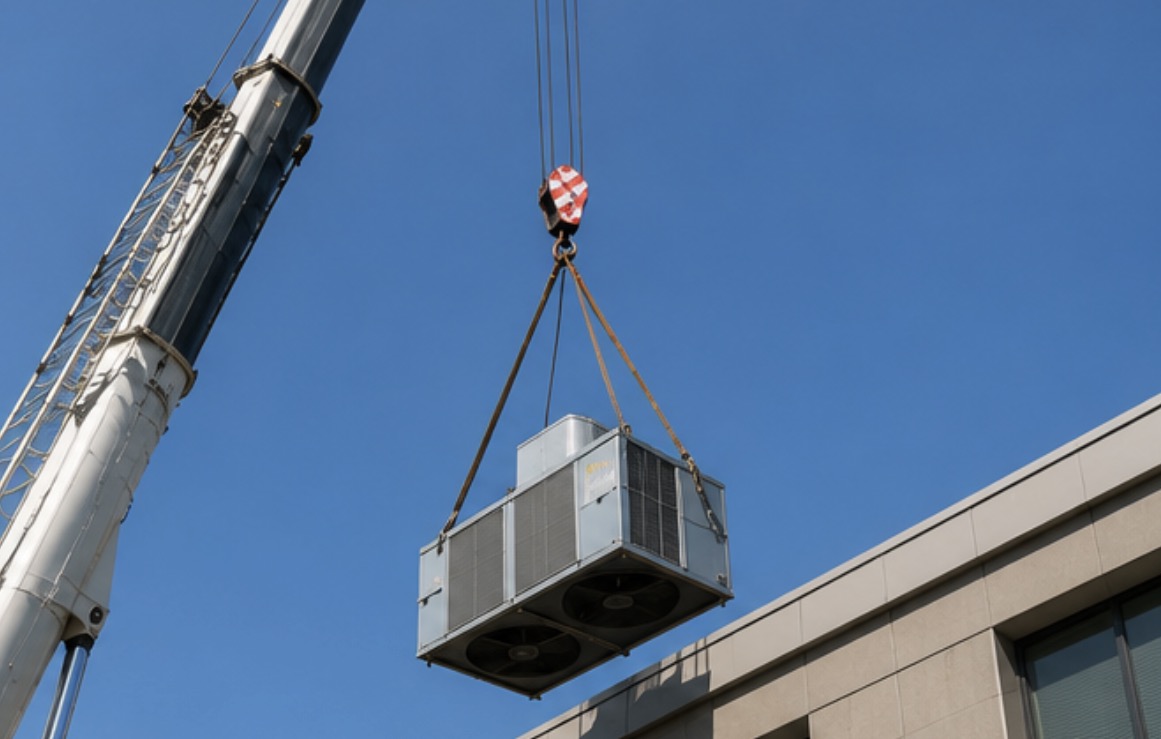
The first information a crane company needs is the actual load being lifted. Weight alone is important, but the physical dimensions and configuration of the load can also affect how it is rigged, transported, positioned, and lifted.
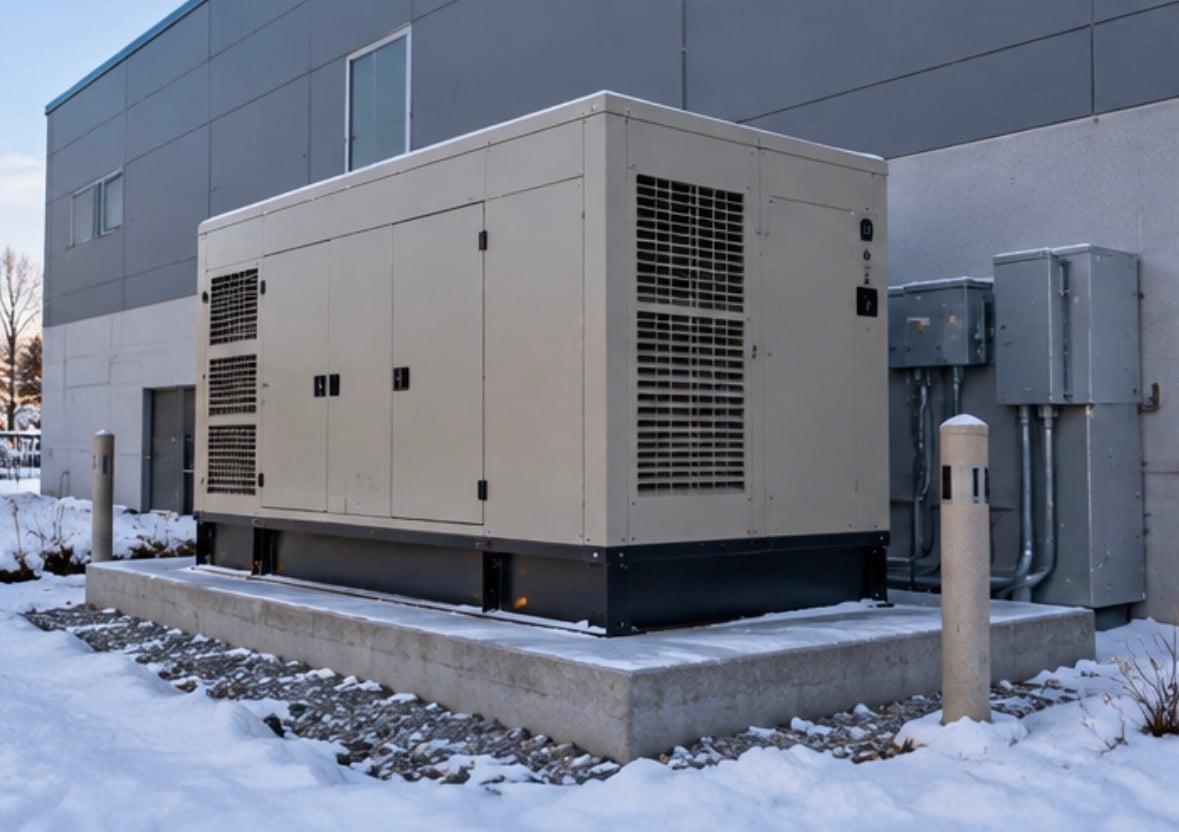
For example, a 12,000-pound rooftop HVAC unit is not enough information for a useful lift assessment. The crane company also needs to know the unit’s dimensions, where it will be picked from, how high it must be lifted, and how far it must travel horizontally before reaching the final placement area.
Provide These Load Details
- Weight: Give the manufacturer’s or shipping weight whenever available.
- Dimensions: Include length, width, height, and unusual shapes.
- Pick points: Identify where the load can safely be connected.
- Final position: Explain exactly where the load needs to land.
- Number of loads: State whether the project involves one pick or multiple lifts.
- Load type: Identify HVAC equipment, steel, precast, trusses, machinery, or other material.
If rigging weight will be included in the lift, mention that as well. The more accurately the total suspended load is established, the better the crane company can evaluate the equipment required.
Give the Crane Company the Lift Height and Working Radius
Two lifts involving the same load can require completely different cranes because of distance and height. A crane’s rated capacity is not a single number that applies regardless of where the load is positioned. As the working radius increases, available lifting capacity can change significantly.
For a Massachusetts commercial project, provide the approximate distance from the proposed crane setup location to the load’s pickup point and final placement point. Also provide the elevation the load must reach. A rooftop unit going onto a two-story building may require a very different setup from one being placed on a taller commercial structure.
The Key Measurements
- Pickup radius: Distance from the crane to where the load starts.
- Placement radius: Distance from the crane to the final position.
- Lift height: Height from the ground or pickup point to final placement.
- Boom clearance: Space available for the boom to operate safely.
- Travel path: The area the suspended load must move through.
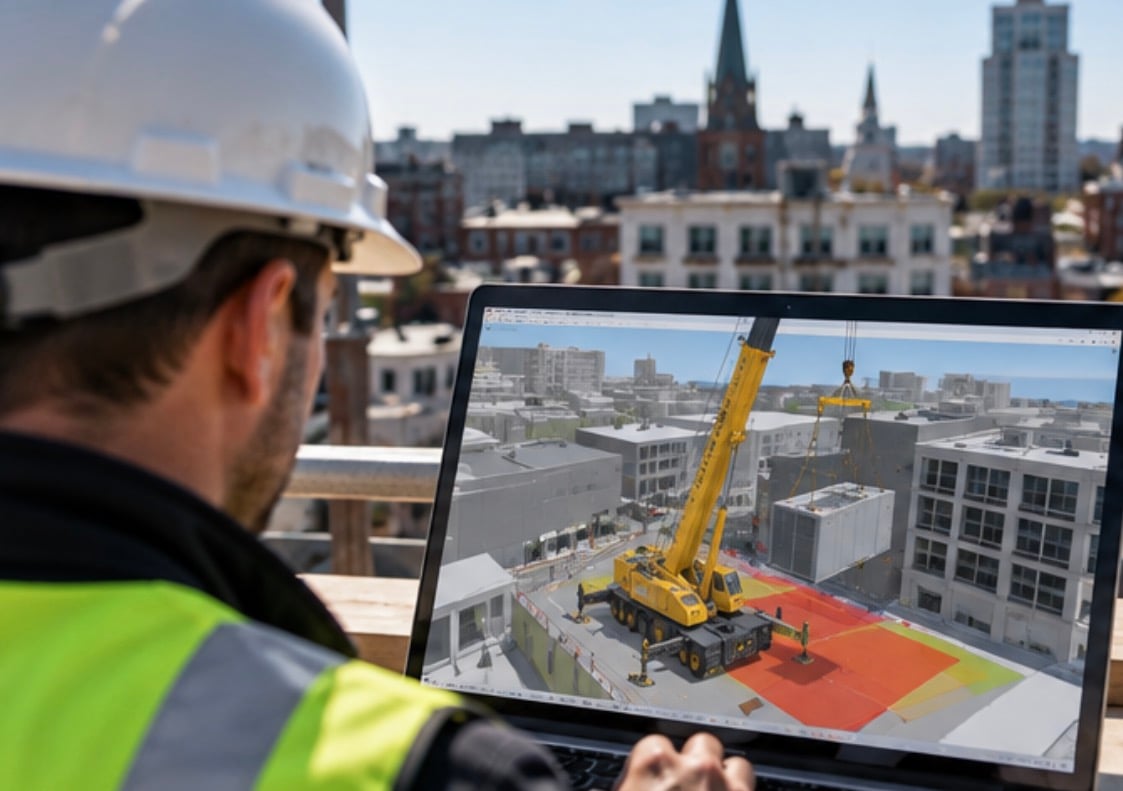
A simple site sketch with these measurements can be extremely helpful. Even approximate dimensions give the crane company a better starting point than a request such as “I need a 30-ton crane for Tuesday.”
Show the Crane Company Where It Will Set Up
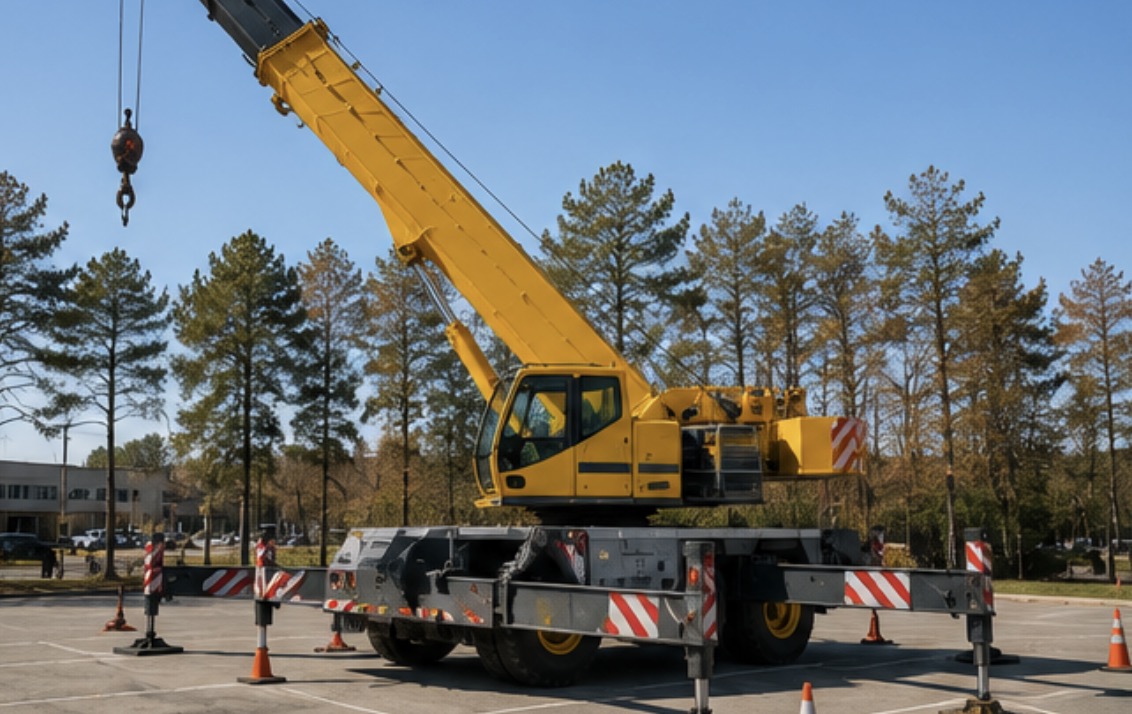
The proposed crane location can be just as important as the load itself. The crane needs enough room to enter the property, position itself, deploy its stabilizing equipment, and operate within the required radius.
This is where a site address alone is not enough. A Massachusetts jobsite may have a narrow driveway, overhead utilities, an active roadway, nearby buildings, soft soil, parked vehicles, or limited room for staging. Any of these conditions can influence crane selection or require additional planning.
Before requesting a quote, provide:
- Jobsite address: Include the exact project location.
- Setup location: Identify where you expect the crane to sit.
- Access route: Explain how the crane will enter and exit.
- Ground surface: Note pavement, gravel, compacted soil, or other conditions.
- Overhead hazards: Identify utility lines, trees, structures, and other obstructions.
- Traffic conditions: Mention nearby roads, sidewalks, or active vehicle areas.
- Site photos: Include photos from the proposed setup area toward the pickup and placement points.
These details help the crane company determine whether the proposed setup is practical before preparing a final quote. They can also reveal when the initial crane choice needs to change because of access, reach, or site limitations.
Explain How Many Picks the Project Requires
The number of lifts can change the scope of a crane rental considerably. A single HVAC unit may be straightforward, while a structural steel project with 20 or 30 individual picks requires more planning, crane time, and coordination with the erection crew. Tell the crane company whether the job involves one lift, several scheduled picks, or continuous material handling throughout the day.
For multiple picks, provide the expected sequence and approximate time between loads. This helps the provider estimate whether a standard rental window is sufficient or whether the crane will need to remain on site for additional hours.
Information to Include
- Number of picks: Total loads expected during the rental.
- Lift sequence: Which materials or equipment will be lifted first.
- Pick frequency: Approximate time between individual lifts.
- Load changes: Whether weights or dimensions vary between picks.
- Expected duration: Estimated time from setup through final lift.
Being specific here can make a quote more useful because a crane needed for two 10,000-pound picks is a different scheduling requirement from one supporting an entire day’s steel erection.
Provide the Information Needed to Schedule the Lift
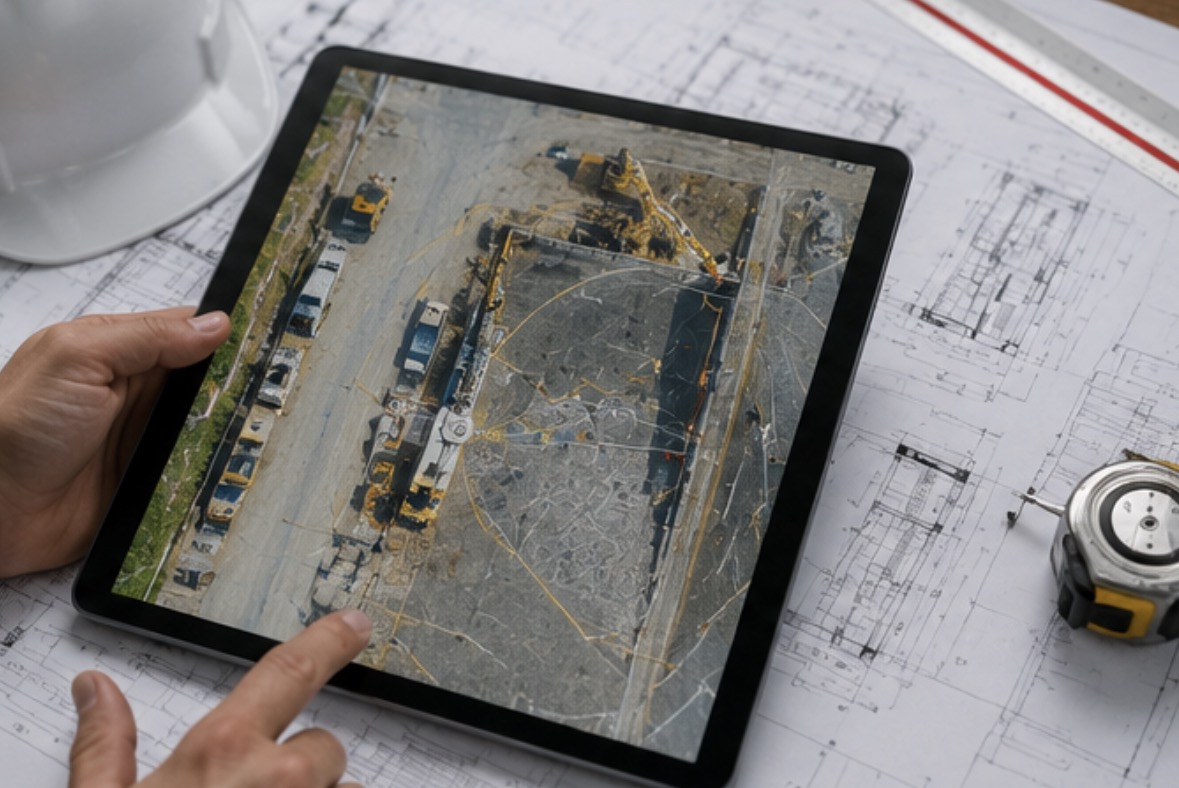
The crane rental company needs to know when and how the lift will take place before it can accurately plan the rental. Instead of providing only a date, give the expected start time, number of lifts, estimated duration, and any site restrictions that could affect setup or operating hours.
Scheduling Details to Include
- Preferred date: When the crane is needed on site.
- Start time: When setup and lifting are expected to begin.
- Estimated duration: A few hours, full day, or multiple days.
- Number of picks: Whether the crane will make one lift or handle multiple loads.
- Site hours: Any restrictions on when crane operations can begin or end.
- Backup date: An alternate date if weather or site conditions could affect the lift.
Providing these details when requesting a crane rental service helps the crane company determine equipment availability and the appropriate rental period. It also gives you a clearer quote because the provider can account for the actual time and scope of the planned lifting operation.
Provide Load Documentation and Rigging Information
If the load has manufacturer handling instructions, engineered lift points, or project-specific rigging requirements, include those documents with your quote request. This gives the crane company information that may not be apparent from the load’s weight or dimensions alone, particularly for equipment with designated lifting points or unusual handling requirements.
Useful information can include:
- Manufacturer instructions: Lifting and handling requirements supplied with the equipment.
- Lift-point details: Locations and specifications for approved connection points.
- Rigging diagrams: Any drawings showing the intended lifting arrangement.
- Load drawings: Shop drawings or submittals showing the equipment’s configuration.
- Special handling: Any requirements for orientation, balance, or controlled placement.
- Project requirements: Lift plans or specifications that affect how the load must be handled.
Providing these documents with your quote request allows the crane company to understand the actual handling requirements before recommending equipment or preparing the final crane rental scope. It also gives the contractor an opportunity to identify missing information or special requirements before the lift is scheduled.
Ask What the Crane Quote Includes
A contractor should understand exactly what is included in the quoted crane rental before comparing prices. Two quotes may appear similar while covering different equipment, rental durations, setup requirements, or additional services.
Ask whether the quote includes:
- Crane and operator: Confirm the equipment and operator arrangement.
- Rental duration: Understand the included hours and additional-hour rates.
- Setup time: Determine whether mobilization and setup are accounted for.
- Rigging: Confirm whether rigging equipment or personnel are included.
- Travel: Ask how mobilization or travel charges are calculated.
- Additional requirements: Clarify whether traffic control, permits, or other site services are separate.
A clear quote makes it easier to compare crane rental services in Massachusetts based on the actual scope rather than choosing solely by the lowest initial number.
Why Choose McDonald Crane for Your Massachusetts Lift?

A useful crane quote starts with more than load weight. With 15 years of experience and NCCER-certified personnel, MacDonald Crane helps contractors evaluate the load, working radius, setup location, site access, rigging requirements, and schedule before determining what the lift requires.
Whether you are lifting rooftop HVAC equipment, structural steel, precast, trusses, or machinery, sharing complete project details early helps the team plan the right equipment and rental scope for your Massachusetts jobsite.
Ready to plan your lift? Contact MacDonald Crane with your load, jobsite, reach, and scheduling details to request a crane rental quote for your project.